Astor Piazzolla is one of those names you can’t escape when talking about Argentine culture. Born in Mar del Plata and raised between Argentina and New York, he grew up surrounded by tango records, jazz clubs, and classical compositions. Out of that eclectic mix came something the world had never heard before: nuevo tango.
For some, Piazzolla was a rebel who dared to challenge tradition. For others, he was the genius who saved tango from becoming a museum piece. What’s certain is that his music -complex, dramatic, and deeply emotional- reshaped the way the world listens to tango. Works like Adiós Nonino, Libertango, and Las Cuatro Estaciones Porteñas still echo today in concert halls, films, and intimate tango shows in Buenos Aires.
To understand tango as it’s performed and felt today, you can’t ignore Piazzolla. His story isn’t just about a musician but about how one man reimagined Argentina’s most iconic art form and carried it to the global stage.
Early Life and Influences
Astor Piazzolla was born in 1921 in Mar del Plata, Argentina, but much of his childhood unfolded in New York’s Lower East Side. Between street sounds, jazz clubs, and his father’s tango records, he developed an ear for different rhythms early on. By the age of eight, he had already picked up the bandoneón—a gift from his father—and began to explore the instrument that would eventually define his career.
Although his first steps in tango were modest, Piazzolla was equally fascinated by Bach and classical music. This duality—between the traditional tango of his homeland and the more structured, complex sounds of classical composers—would become the foundation for his revolutionary style.

The Day He Met Gardel
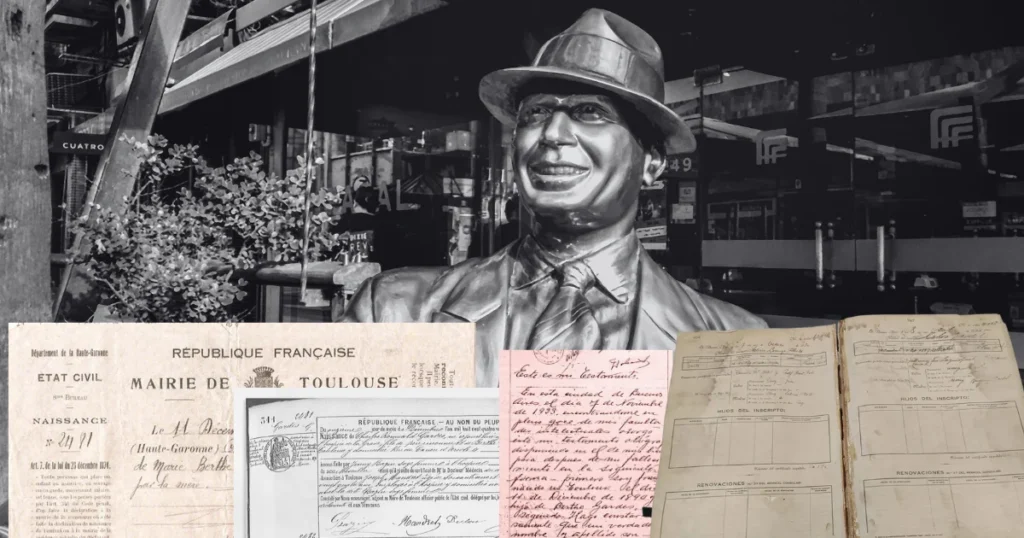
Sometime between 1933 and 1935, while Carlos Gardel was in New York to film and record, young Astor Piazzolla crossed his path. The boy was just 13, already playing the bandoneón with surprising talent. According to legend, Gardel was so impressed that he invited Piazzolla to join his tour. Piazzolla’s father refused, saying he was far too young; a decision that, in hindsight, saved his life, since Gardel died tragically in a plane crash the following year.
What is certain is that the encounter happened. Piazzolla not only met Gardel but also admired him deeply, and even had a small part in El día que me quieras (1935). That early contact with the most iconic voice of tango left a lasting imprint, even as Piazzolla would later challenge tradition and take tango in bold, new directions.
Paris and Nadia Boulanger: Finding His Voice
In 1954, Piazzolla received a scholarship from the Conservatory of Paris and moved to France to study composition. There, he met Nadia Boulanger, the legendary teacher who had guided some of the 20th century’s greatest composers. Piazzolla initially tried to present himself as a “serious” classical musician, even downplaying his connection to tango music and the bandoneón.
But Boulanger saw through it. After listening to him perform his tango pieces, she told him to never abandon the bandoneón or his Argentine roots. That moment was transformative. Piazzolla realized that his true path wasn’t in imitating European traditions, but in reinventing tango through his own voice.
As he once said: “I was born in Mar del Plata, I grew up in New York, I found my path in Paris, but every time I step onto a stage people know I am going to play music from Buenos Aires.” This quote perfectly captures how every stage of his life fed into his art, yet Buenos Aires always remained at the heart of his music.

The Birth of Nuevo Tango
By the 1950s, Astor Piazzolla had grown restless with traditional tango. He respected its roots but felt constrained by its repetitive forms. Drawing on his classical training and love for jazz, he created what came to be known as nuevo tango, a daring reinvention of the genre.
This wasn’t music for crowded dance halls; it was music meant for listening. Piazzolla added complex harmonies, counterpoint, and improvisation, elevating tango to concert stages around the world. His ensembles replaced the typical orquesta típica with smaller, more experimental groups that featured electric guitar alongside violin, piano, double bass, and, of course, the bandoneón.
Among his iconic compositions are Adiós Nonino, a heartfelt tribute to his father, Las Cuatro Estaciones Porteñas, a tango reflection of Buenos Aires through the seasons, and Libertango, perhaps his most famous piece, symbolizing the freedom of breaking away from tradition. These works showed how tango could keep its emotional depth while reaching new artistic heights.
Global Reach and Collaborations
Astor Piazzolla’s nuevo tango quickly spread beyond Argentina. By the 1960s, his music was being played in Paris, New York, and other cultural hubs, reaching audiences who had never heard tango in a concert hall before.
He collaborated with jazz greats like Gerry Mulligan, classical ensembles, and even poet Jorge Luis Borges, showing just how far tango could travel when reimagined. Today, ensembles like the Astor Piazzolla Quintet keep his legacy alive on international stages, proving that his bold reinvention made tango not just Argentine, but universal.
Tango in Buenos Aires and the Intimacy of a Tango Show
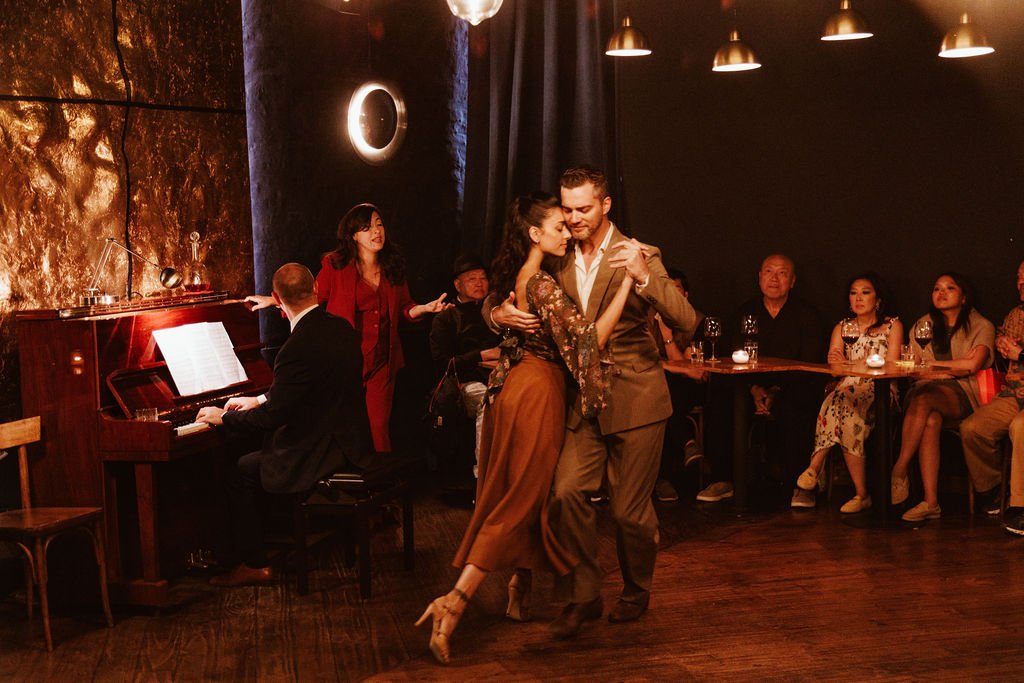
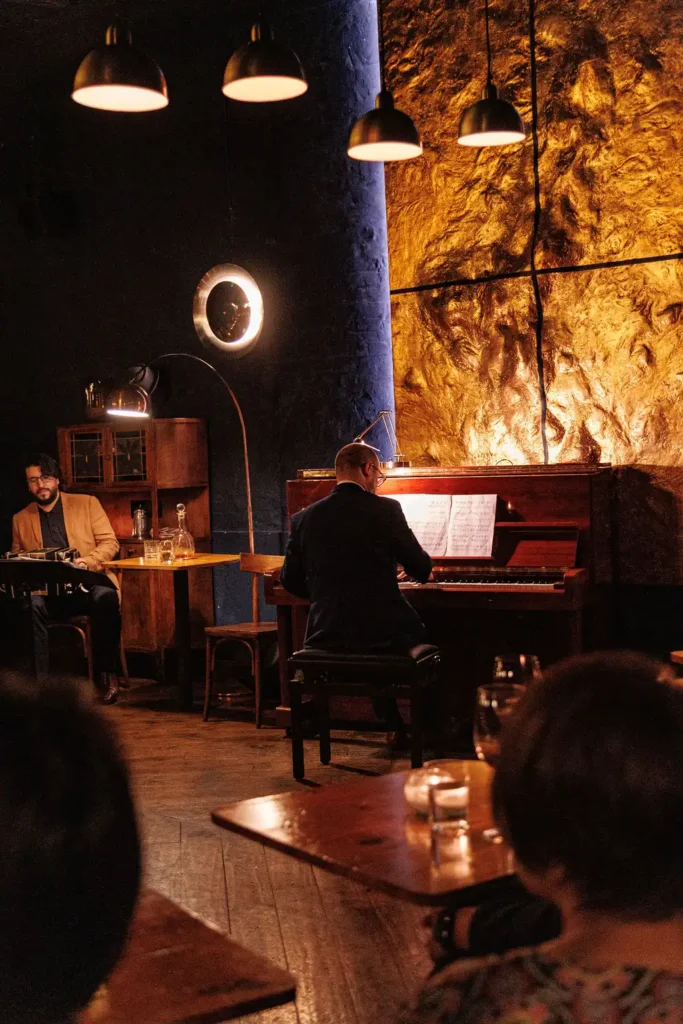
In Buenos Aires, tango isn’t only history, it’s something you can still feel on stage today. The city offers many ways to experience a tango show, from large productions with dozens of dancers to small neighborhood performances. But among all the options, Secreto Tango Society stands out for its intimacy and authenticity.
This is not about flashy lights or exaggerated moves. At Secreto, the focus is on the embrace, the subtle gestures, and the deep connection that make tango unforgettable. It feels more like being invited to a private gathering than watching a performance designed for tourists.
If you’re searching for tango in Buenos Aires, and want something that reveals the soul of the dance and music, Secreto Tango Society is where you’ll find it. Every performance honors tradition while highlighting tango as it was meant to be experienced: close, emotional, and profoundly human.
A Legacy That Still Resonates
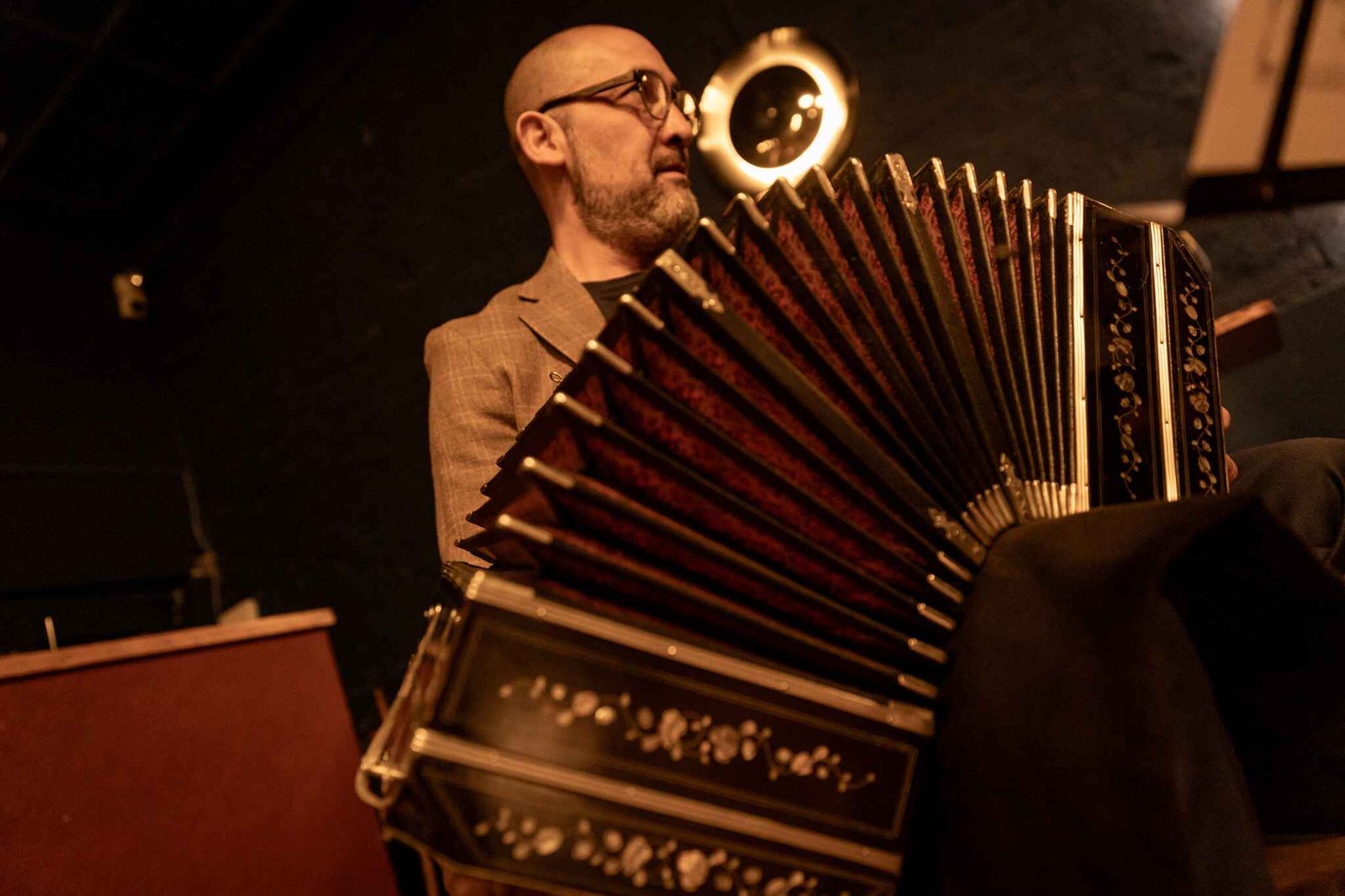
Astor Piazzolla reshaped tango. His nuevo tango challenged tradition, blended influences from classical and jazz, and gave the bandoneón a voice that could fill the world’s greatest stages. From Adiós Nonino to Libertango, his music continues to carry the pulse of Buenos Aires, inviting new generations to listen, dance, and feel.
If you’d like to understand how his story fits into the larger journey of tango, take a look at our full article on the history of tango. It’s a chance to see how tradition and innovation have always walked hand in hand, and why Piazzolla’s genius still captivates today.