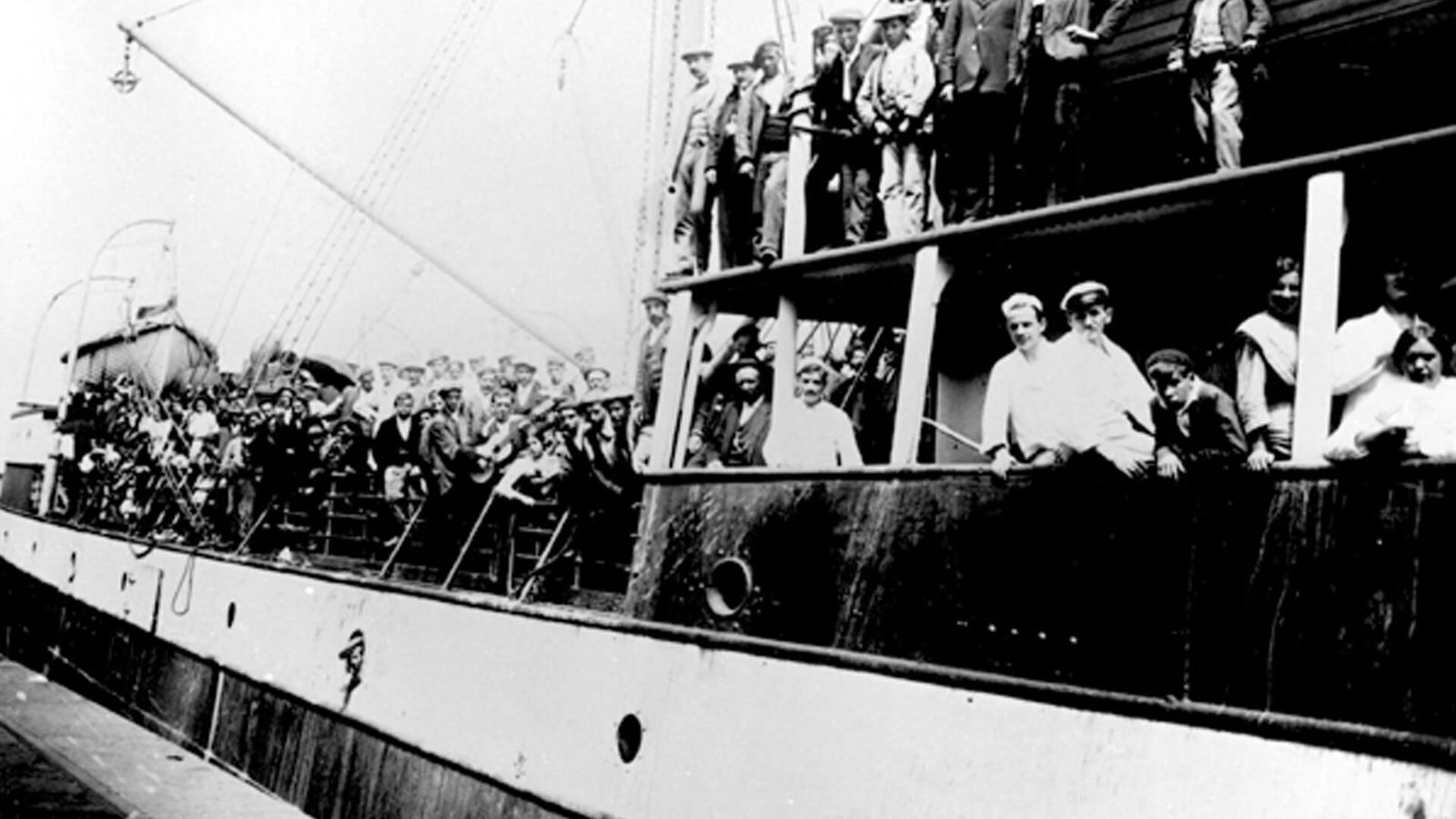
The history of tango dates back to the late 19th century in Buenos Aires, where it emerged as a unique musical and dance form in the working-class neighbourhoods. The origin of tango is a blend of African, Indigenous, and European influences, particularly those brought by Spanish and Italian immigrants. In the port areas of Buenos Aires and Montevideo, musicians played in local bars and dance halls, creating a new rhythm that resonated with the diverse communities. Tango history was marked by an era of immigration, where people from different corners of the world, coexisted and contributed to the cultural melting pot that tango would eventually emerge from.
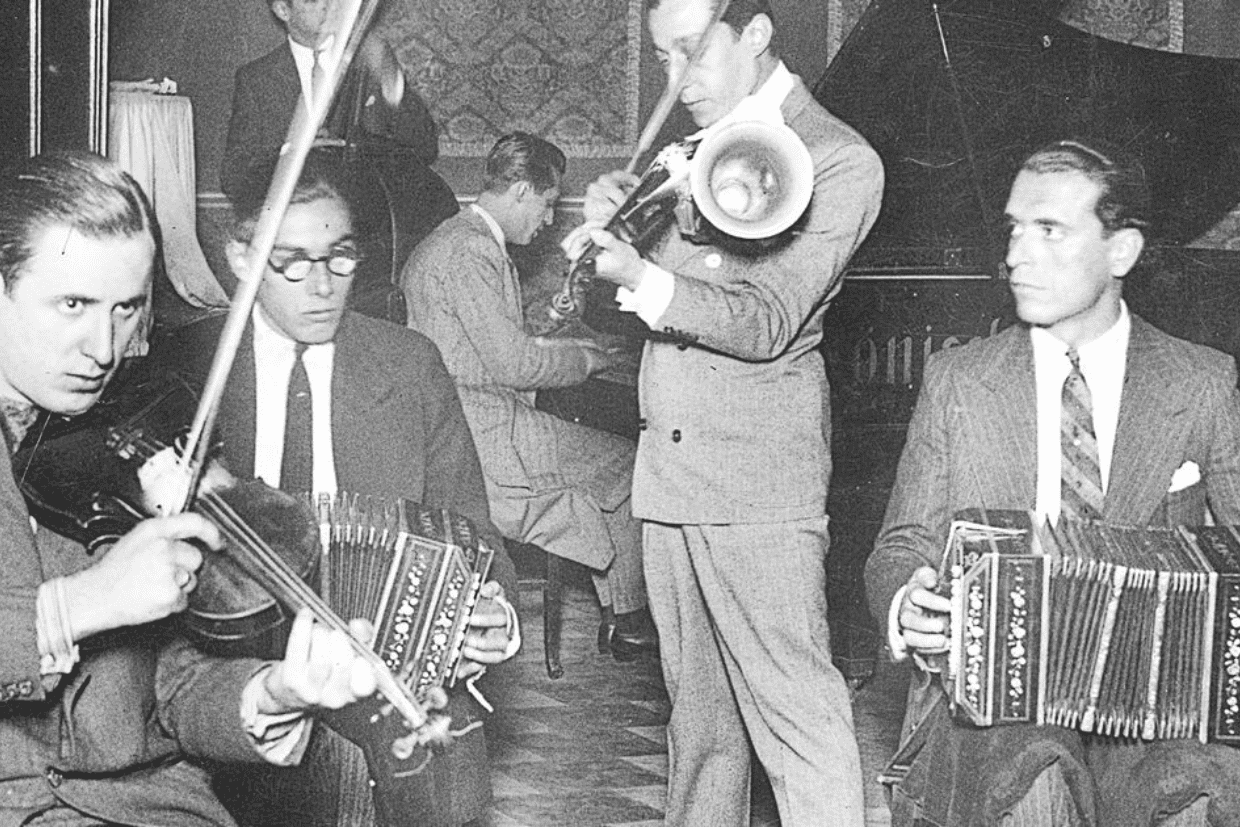
Initially, tango was considered a dance of the lower classes, often performed in the milongas, or social dance halls, which were informal spaces where working-class people could gather to dance and socialize. The music was characterized by the bandoneón, a German instrument that was introduced to Argentina in the late 19th century and became central to tango orchestras. The instrument’s melancholic sound helped set the emotional tone of tango, which conveyed both the passion and longing of its dancers and singers. The distinctive rhythm, which often conveyed a sense of yearning or nostalgia, resonated deeply with both dancers and listeners.
The Roots of Tango
The early tango was mostly danced by men, and it was seen as a rough, even rebellious, expression of the marginalized sectors of Buenos Aires. However, over time, tango spread across Argentina and gradually gained acceptance in higher social classes, with the elites of Buenos Aires recognizing it as a form of artistic expression. In the early 20th century, tango made its way to Europe, particularly to Paris, where it was embraced and refined in the elegant salons. Its acceptance in Europe further solidified its status as a sophisticated art form. From there, tango returned to Argentina, now a more polished and internationally recognized genre.
This transformation of tango from a street dance to an internationally acclaimed cultural phenomenon is part of what makes its history so fascinating. Tango history reflects Buenos Aires’ ability to absorb and redefine its influences, producing a dance and musical genre that continues to evolve today while retaining the soul of its origins.
This shift in tone was also reflected in tango’s lyrics. Early songs were playful, filled with local slang and everyday stories from working-class neighborhoods. As tango made its way into salons and theaters, the lyrics took on a more introspective and poetic tone: love, loss, and longing became central themes. If you’re curious about how these stories shaped tango’s identity, take a look at our guide to tango lyrics.

Iconic Tango Figures: Singers and Dancers Who Shaped the Genre
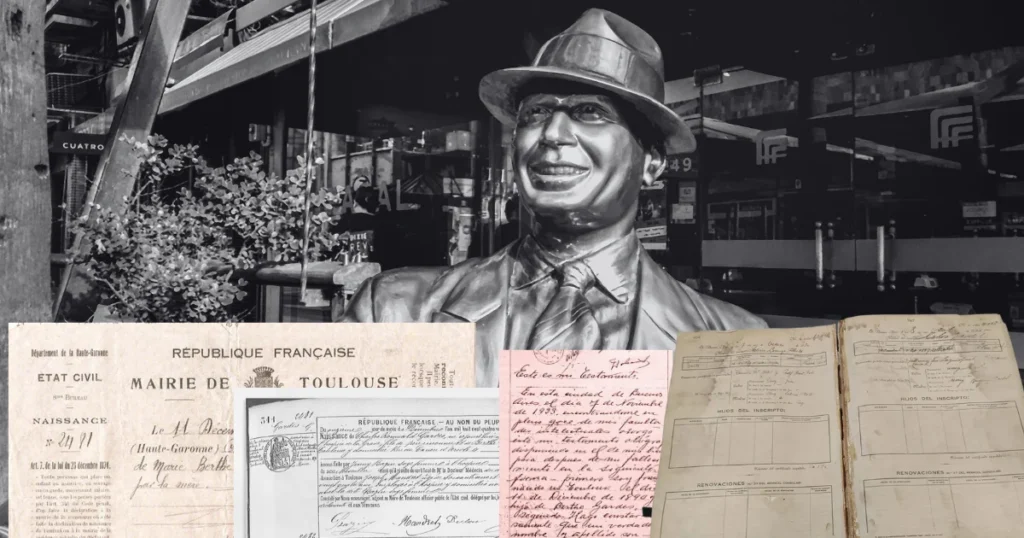
The history of tango in Buenos Aires would not be the same without the contribution of some of its most iconic performers. One of the most famous tango singers was Carlos Gardel, whose deep, emotional voice and unforgettable compositions like “Mi Buenos Aires Querido” and “El día que me quieras” turned him into an international star. Gardel’s influence transcended national borders, and his songs became the anthems of the tango genre, capturing the essence of Buenos Aires’ soul. His tragic death in a plane crash in 1935 only cemented his legacy, and he is often considered the ultimate symbol of tango. Gardel’s legacy lives on through his music, which continues to inspire new generations of tango singers and musicians.
In the world of dance, Juan Carlos Copes and María Nieves revolutionized tango choreography, transforming it into a more theatrical and expressive performance. Copes, known for his improvisational style, made tango more dynamic by blending complex footwork with intense emotional expression. His partnership with María Nieves was legendary, and together they defined the art of tango dance, showcasing a raw passion that captivated audiences worldwide. Their ability to combine technical mastery with heartfelt storytelling set a new standard for tango performances.
Meanwhile, Astor Piazzolla modernized tango music in the mid-20th century by incorporating jazz and classical elements, creating a style known as “nuevo tango.” Piazzolla’s innovative compositions fused the traditional rhythms of tango with contemporary influences, creating a more sophisticated, intricate sound. His works, like “Adiós Nonino” and “Libertango“, are considered masterpieces and are frequently performed in both tango and classical music circles. Piazzolla’s new approach to tango bridged the gap between popular and classical music, changing the way tango was perceived both in Argentina and around the world.
There’s more about Piazzolla and other unexpected twists in tango history in our article on fun facts about tango.
Tango today…
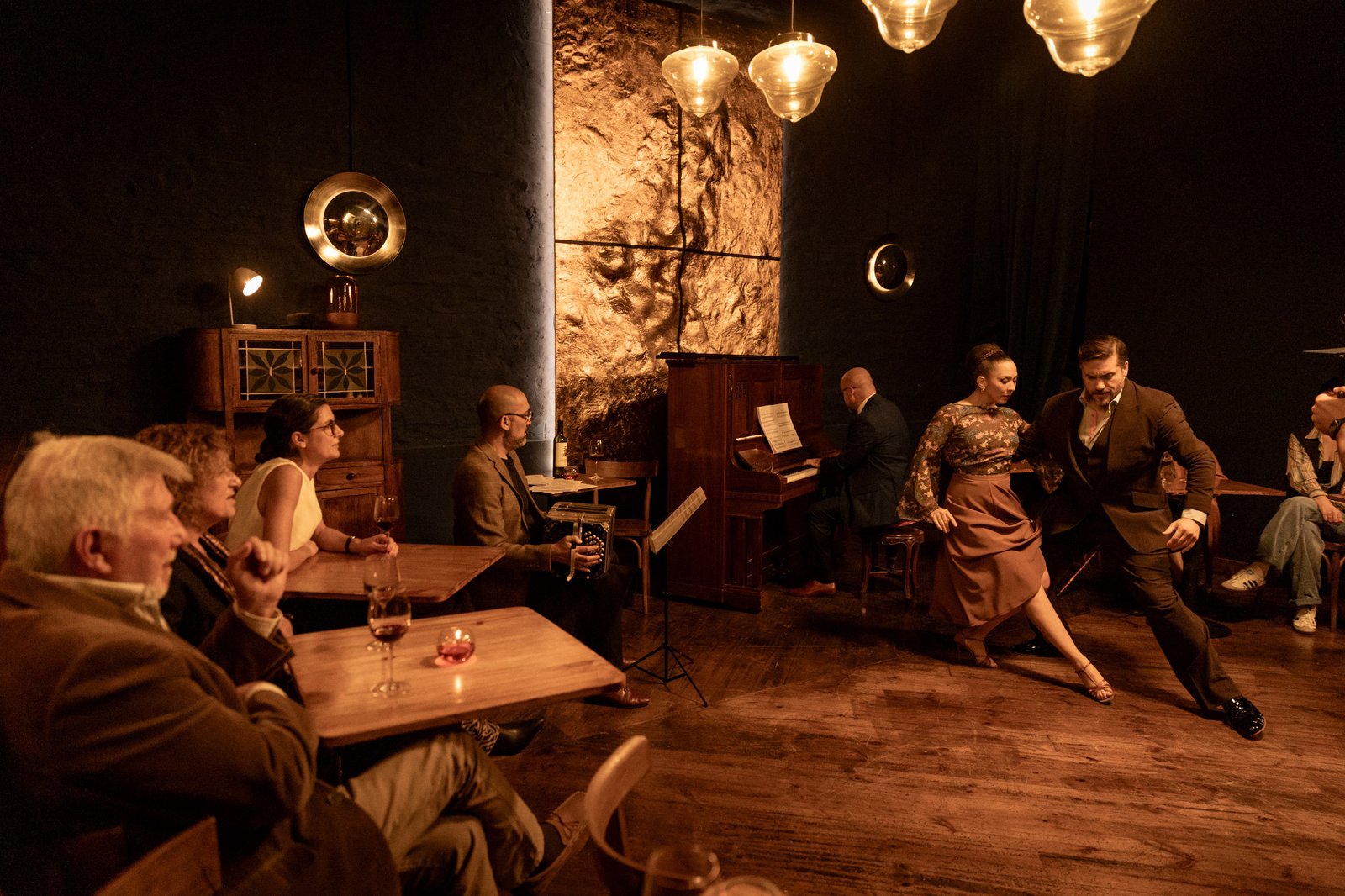
Today, tango continues to thrive in Buenos Aires, with both traditional and modern interpretations coexisting. The city’s famous milongas, such as La Viruta and El Beso, remain essential venues for those who wish to experience tango in its most authentic form. These dance halls welcome both experienced dancers and beginners eager to learn the art of tango.
At the same time, contemporary performances have evolved, blending tango with theater, ballet, and even modern dance. New sounds have also emerged: electronic tango artists like Gotan Project and Bajofondo brought a fresh twist to the genre, merging classic bandoneón with digital beats and global influences. And with international tango festivals attracting dancers from all over, the spirit of tango keeps expanding while staying deeply rooted in Buenos Aires.
If you’re interested in how tango has evolved into so many different forms, withouth losing its essence, check out our article. You will find traces of a very Argentine characteristic: the ability to reinvent itself.
Looking for a Tango Show? (or THE tango show…)
If you want to learn more about the history of tango in Buenos Aires, our blog is a really good start… But f you want to leave reading for another time and live tango in first hand, we’ve got something even more special for you.
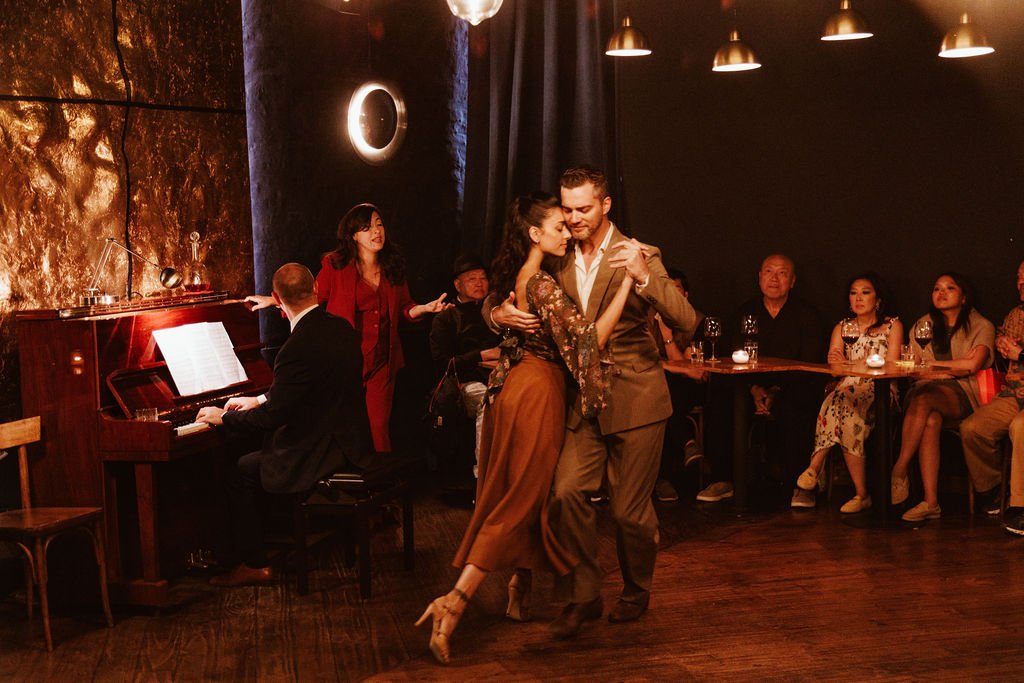
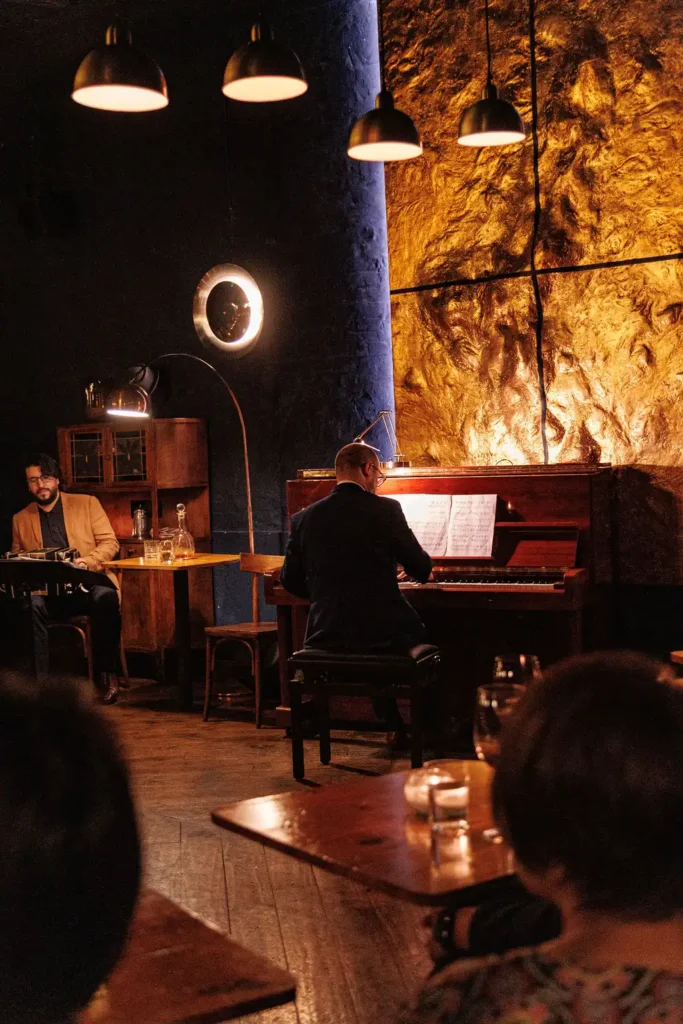
Step into an authentic tango show with Secreto tango society, an intimate and exclusive performance that immerses you in the raw emotion and intensity of this iconic dance. With only 20 seats available, this show offers a personal connection with the dancers, ensuring a truly memorable experience.
Unlike larger productions, Secreto Tango stays grounded in the roots and origin of tango, emphasising emotional depth over extravagant spectacle. This performance is ideal for those seeking a real taste of Argentine culture.
Tango is a universal language, and no Spanish is needed to feel its power. In just 60 minutes, you’ll experience every step, rhythm, and feeling as the dance comes to life.
Why Choose This Experience?
🔴 Exclusive & Intimate: A limited audience of 20 ensures an up-close tango experience.
💃 Genuine & Passionate: Dive into the emotional core of traditional tango.
🌍 For Everyone: Tango transcends language—just pure, captivating dance.
Reserve your place and experience the heart and soul of Buenos Aires through the magic of tango.
Tango history, answered
How did tango influence other music and dance genres worldwide?
Tango has had a significant impact on global music and dance, particularly in the 20th century. It influenced jazz musicians, who incorporated tango rhythms and melodies into their performances. In the world of dance, tango’s sensual movements and close embrace were adopted and adapted by various dance styles, including ballroom dancing, which included the tango as one of its key elements. Tango also contributed to the development of other Latin American dances, like milonga and candombe, further spreading its reach across different cultures.
What role do tango festivals play in preserving the culture of tango?
As we remarked in our article on Tango festivals, these are crucial in preserving and revitalizing the culture of tango, especially in Buenos Aires. These festivals bring together dancers, musicians, and enthusiasts from around the world to celebrate and honor both, tango history and also its modern forms. Events like the Buenos Aires Tango Festival allow for the exchange of ideas and artistic expression, offering workshops and performances that showcase both the roots of tango and its contemporary evolution. These festivals not only keep tango alive but also provide a global platform for its continuing evolution.
What is the significance of the tango in the identity of Buenos Aires?
Tango holds a special place in the identity of Buenos Aires, serving as a symbol of the city’s soul and passion. It reflects the diverse cultural history of Argentina, from the struggles of the working class to the blending of immigrant cultures. The dance and music of tango embody the emotional depth, resilience, and cultural fusion that are core to the Buenos Aires experience. Tango is not just a performance art; it’s a language of movement and emotion that has been ingrained in the city’s cultural fabric for over a century, making it a global ambassador for Argentine culture.
There’s a lot more to say, and you can check it out right here.
The Everlasting Soul of Tango
Tango remains one of Buenos Aires’ most treasured cultural expressions, embodying the city’s passion, history, and diversity. From its humble beginnings in the streets and bars of the 19th century to the grand performances of today, tango continues to captivate audiences with its deep emotional intensity. Whether in a traditional milonga or a modern stage production, tango will always be an enduring symbol of Argentina’s artistic heritage.
In the end, tango history and the city are essentially connected. The history of tango is also the history of Buenos aires. And also the other way around…