Tango wasn’t born elegant: it was gritty, underground, and deeply peripheral.
Behind the tailored suits and glitzy stages the world associates with the genre today lies a history that is much more raw, complex, and fascinating. Tango, ultimately, is not exactly what it seems at first glance.
Working every day in the world of tango, our team of experts at Secreto Tango Society spends a lot of time demystifying legends and watching the surprised reactions from our audience when they discover the true essence of this dance.
That’s why we decided to answer those questions by putting together this list of tango fun facts. Let’s dive into some surprising and intriguing facts about tango, its origins, evolution, the people who shaped it, and of course, where to experience it.
1. From Immigrants to Icons: Where Tango Was Really Born
Tango didn’t start in grand ballrooms; it emerged in the late 19th century in the bustling, overcrowded port cities of Buenos Aires, Argentina, and Montevideo, Uruguay. To understand its birth, you have to understand the massive demographic shift happening at the time.
During this era, the Argentine government was actively promoting immigration with open arms, looking to populate its vast territories and “modernize” the nation. Meanwhile, harsh external conditions like poverty, lack of opportunity, and the looming shadows of conflict, were pushing massive waves of people out of Europe. Hundreds of thousands of immigrants, predominantly from Italy and Spain, crossed the ocean seeking a fresh start.
But instead of immediate riches, they found themselves packed into cramped conventillos (shared tenement houses) living side by side with African communities (descendants of enslaved people brought over during the colonial era) and the local criollos (the native-born working class, descending from early Spanish colonizers and indigenous peoples).
A true cultural melting pot was placed on the fire. Simmering in this shared experience of displacement and longing, these blended traditions slowly cooked up the ultimate signature recipe of Argentina: The Tango.
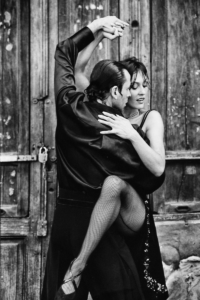
2. Scandalous Origins: When Tango was Danced Through Brothels and Back Alleys
As we established, tango didn’t start in polished salons; it was forged in the marginalized neighborhoods of Buenos Aires and Montevideo. At the beginning, its true home was in brothels, rough port districts, and conventillos.
The physical reality of the dance was born out of a very specific social issue: a massive shortage of women. Because of the heavy immigrant waves, single men severely outnumbered women in Buenos Aires. To have any chance of getting a woman’s attention in local dance halls or brothels, a man had to be an exceptional dancer. Because of this, men actually practiced with each other.
When they finally danced with women, the intention was undeniably sensual and provocative. The tight embrace, the abrupt pauses, and the intertwined legs weren’t about romance; they were a bold display of skill, dominance, and a direct reflection of the brothel culture. The deep, melancholy nostalgia we often associate with tango today didn’t actually appear until decades later when lyrics were added to the music.
To the high society of the time, these spaces were completely marginal and vulgar. They looked down on the people living there as the chusma (the riffraff or rabble), and by extension, they viewed the tango with absolute moral disdain and suspicion.
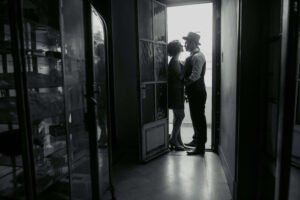
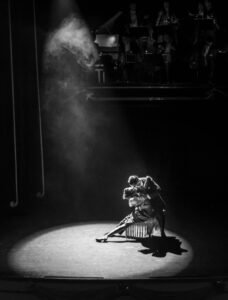
3. A Global Mixtape: How Cultures Around the World Shaped Tango
So, we already know that tango was born in the crowded conventillos and shaped by a collision of immigrant cultures. But who actually contributed what? What specific ingredients did this new sound borrow from each group to become what it is today?
The evolution of tango music is essentially a global mixtape, with each community bringing a crucial piece to the puzzle:
- The African Communities (The Rhythm): Tango inherited its rhythmic heartbeat from the Afro-descendant populations. The heavy, syncopated drumbeats of the candombe provided the raw energy of the dance. In fact, many historians believe the word “tango” itself comes from African languages, originally referring to a place where people gathered to dance.
- The Caribbean Influence (The Sway): Through the bustling port, sailors and merchants brought the Cuban habanera. This added a swaying groove that became deeply embedded in tango’s early beat.
- The Local Criollos (The Roots): The native-born working class brought the milonga from the Argentine countryside into the city. Long before tango existed, the milonga was a fast-paced, guitar-driven musical style played by rural gauchos. When it hit the urban streets, it became one of the core building blocks of the tango sound.
- The European Immigrants (The Melody and Sorrow): Europeans provided the musical structure and the deep sense of nostalgia. They brought over dance styles like the polka and the waltz, along with classical instruments like the violin, the guitar, and the flute. Later on, they introduced the bandoneón, a German instrument that gave tango its signature melancholic wail.
Just like us, the people of this country, tango was born from a rich, complex mix of influences. All of these elements combined to create something entirely unique.
4. The Soulful Bandoneón: Germany’s Unexpected Gift to Tango
It’s wild to think that the single most iconic instrument in tango isn’t originally Argentine at all. I know it makes no sense… But as we’ve seen, tango is a beautiful mosaic made up of global contributions, and this instrument is perhaps the best example of that.
The bandoneón was actually invented in Germany. Ironically (as Argentines we love ironies…), it was never meant for dark, smoky dance halls; it was designed to play religious music in small German churches that couldn’t afford or fit a massive pipe organ. Thanks to European sailors and immigrants, it eventually made its way to the ports of Buenos Aires.
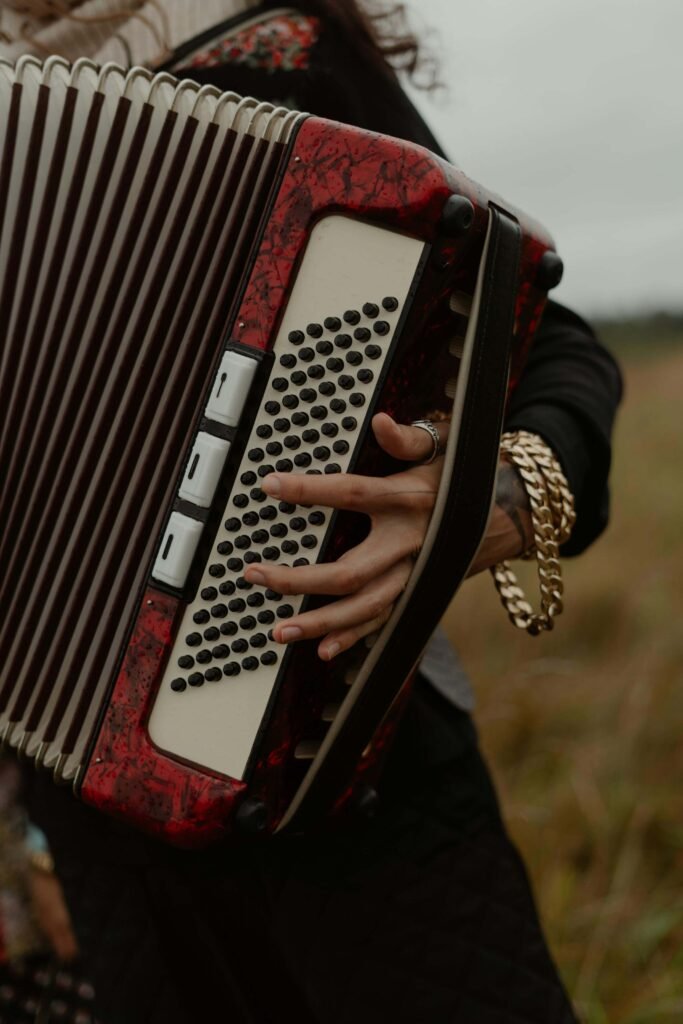
Tango musicians immediately fell in love with its rich, melancholic tone. Because of the way it’s constructed, the instrument literally breathes like a human lung, allowing musicians to explore a deeply emotional, visceral palette. It didn’t take long for its soulful wail to replace older instruments like the flute, becoming the undisputed heart and soul of the genre.
Curious about this fascinating instrument? Check out our deep dive into What is a Bandoneón? to discover its history, how it’s played, and why you should never mistake it for a regular accordion.
5. Carlos Gardel: The Voice That Made Argentina Cry (and Sing)
It’s probably not a shocking ” tango fun fact” to hear that Carlos Gardel is the most legendary figure in this genre history. If you’ve ever dipped your toes into this culture, his name is completely unavoidable. But what many people outside of Argentina don’t realize is just how deeply rooted he remains in our daily lives and national identity.
We Argentines are fiercely passionate people, and we love seeing our culture shine on the global stage. While there is a never-ending, heated dispute over whether Gardel was originally French, Uruguayan, or Argentine (in fact, we have a whole post exploring the mystery of where Carlos Gardel was from), the truth is that he chose to naturalize as an Argentine and became our ultimate cultural ambassador to the world.
Before Gardel, tango was strictly instrumental and made for dancing. In 1917, with his breakthrough hit “Mi Noche Triste,” he did something revolutionary: he gave tango a voice. By adding lyrics, he transformed the genre into a poetic expression of the Argentine soul, giving an entire country the chance to feel truly represented. He wasn’t just our grandmothers’ ultimate platonic crush; he became the eternal soundtrack of our longing, heartbreak, and pride.
On June 24, 1935, Gardel died tragically in a plane crash, a loss that shook the entire nation. That same date, decades later, would become known as the birthday of Lionel Messi, another Argentine icon. Gardel’s funeral procession in Buenos Aires was a sea of sorrow, with tens of thousands mourning the man who gave a voice to the Argentine heart.
6. Golden Age Glories: Dancehalls and Legends.
Here is a plot twist in tango history: the exact same dance that was once shunned by high society eventually became a massive, professionalized industry.
From the 1930s through the 1950s, tango hit its absolute prime. This was the moment when tango truly exploded on a massive scale. Legendary iconic tango orchestras led by giants like Aníbal Troilo, Francisco Canaro, and Juan Carlos Cobián didn’t just pack the local dance halls; they took this music on worldwide tours. And keep in mind, becoming a global sensation and touring the world back then was an infinitely harder and more grueling feat than it is today.
The genre minted true international stars. At the same time, legendary dancers like Juan Carlos Copes and María Nieves elevated the physical expression of the dance.
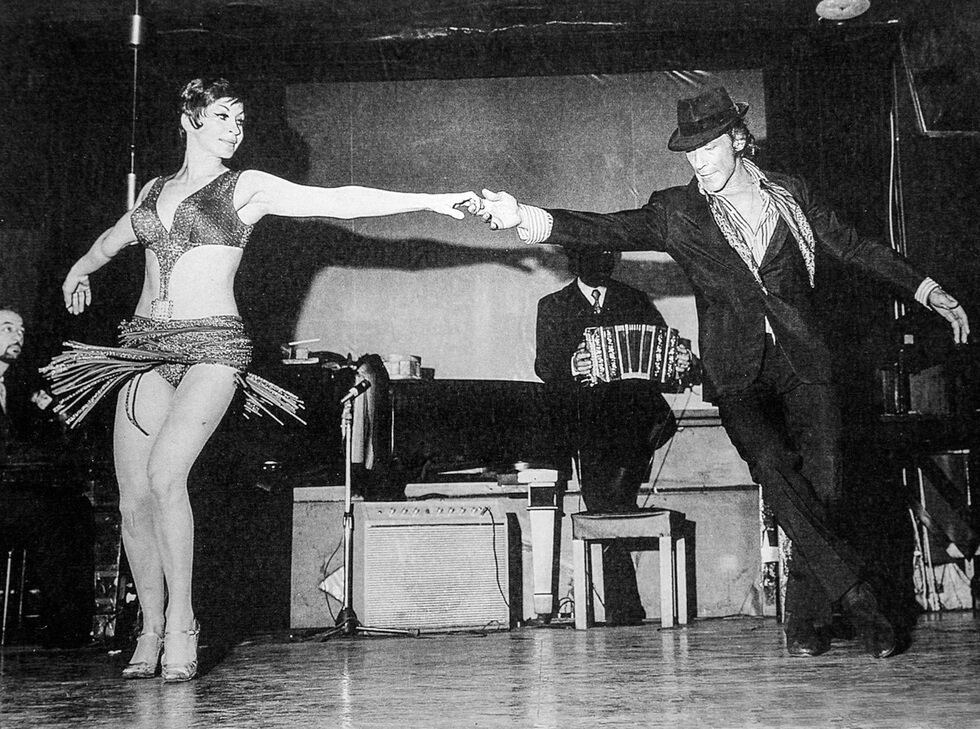
But this Golden Age wasn’t just a peak; it was an incubator. Hidden within these massive, traditional orchestras was a young, rebellious bandoneón player and composer named Astor Piazzolla. While he was cutting his teeth playing the massive hits of the era, Piazzolla was quietly brewing ideas that would soon tear the traditional rules apart and completely revolutionize the genre for a new generation.
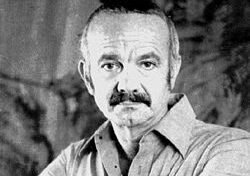
7. Astor Piazzolla: The Ultimate Traitor or the Genius Transformer?
Here is a tango fun fact that always sparks debate: the man who is globally hailed today for modernizing tango once divided an entire nation. Was he a traitor who destroyed conservative roots, or a visionary transformer who saved the genre from getting stuck in the past? The truth is, he was exactly both.
Remember that rebellious kid in the Golden Age orchestras we mentioned earlier? When Astor Piazzolla finally unleashed his own style, dubbed Tango Nuevo, it caused an absolute scandal. He took the sacred, traditional format and violently shook it up, injecting complex jazz harmonies, classical dissonances, and—to the absolute horror of purists—the electric guitar.
To the conservative establishment, this was sheer sacrilege. Yet, for new generations, his genius was undeniable. Masterpieces like “Adiós Nonino” and “Libertango” redefined the rules of the game. Piazzolla achieved the unthinkable: he transformed tango from a rhythm strictly meant for dancing in salons into a deep, introspective, and avant-garde musical experience designed to be closely listened to.
By living in this dilemma and daring to break the mold, he blew the doors to the future wide open. The evolution never stopped: today, bands like El Cachivache Orkesta (often described as “tango punk”) blend traditional bandoneón wails with rock and electronic elements, proving the genre is still alive, rebellious, and constantly reinventing itself.
8. How Europe Validated Argentina’s Own Dance
Here is one of the most ironic facts in tango history: to be fully accepted by the upper class in our own country, tango first had to conquer Europe.
As i said, in the early 1900s, the Argentine elite completely despised the gritty dance happening in their own port city’s back alleys. At the time, high society looked exclusively to Europe, as their ultimate cultural compass. But when sailors, traveling musicians, and wealthy young Argentines introduced the dance overseas, something completely unexpected happened: Paris went absolutely crazy for it. “Tangomania” swept through the most elegant Parisian salons.
Once the Argentine elites saw that their beloved Paris was obsessed with tango, they suddenly changed their tune. They embraced the dance in their own luxurious mansions with a newfound sense of national pride. This Parisian stamp of approval was exactly what legitimized the genre back home, and it acted as the official launchpad for its global export.
Today, that global expansion has only grown. Tango is no longer just an Argentine export; it’s a powerful cultural bridge. From massive international tango festivals happening everywhere from Tokyo to Berlin, to modern artistic collaborations that blend contemporary dance with traditional milonguero roots, tango has proven to be a living, breathing, and truly universal language.
9. Tango as an Official World Cultural Treasure
You know a tradition has truly transcended its origins when the United Nations steps in to protect it. In 2009, UNESCO officially declared tango an Intangible Cultural Heritage of Humanity.
But here is the really interesting part: this prestigious title wasn’t just awarded because it’s a beautiful dance or a captivating musical genre. UNESCO specifically recognized tango as a profound symbol of cultural identity and a living expression of the everyday communities in Buenos Aires and Montevideo.
Today, this designation fuels incredible efforts to preserve its roots. Through local initiatives, global workshops, and passionate communities, this UNESCO status ensures that the raw, authentic soul of tango is protected and passed down for generations to come.
10. The Intimate Resistance: Where Real Tango Lives Today
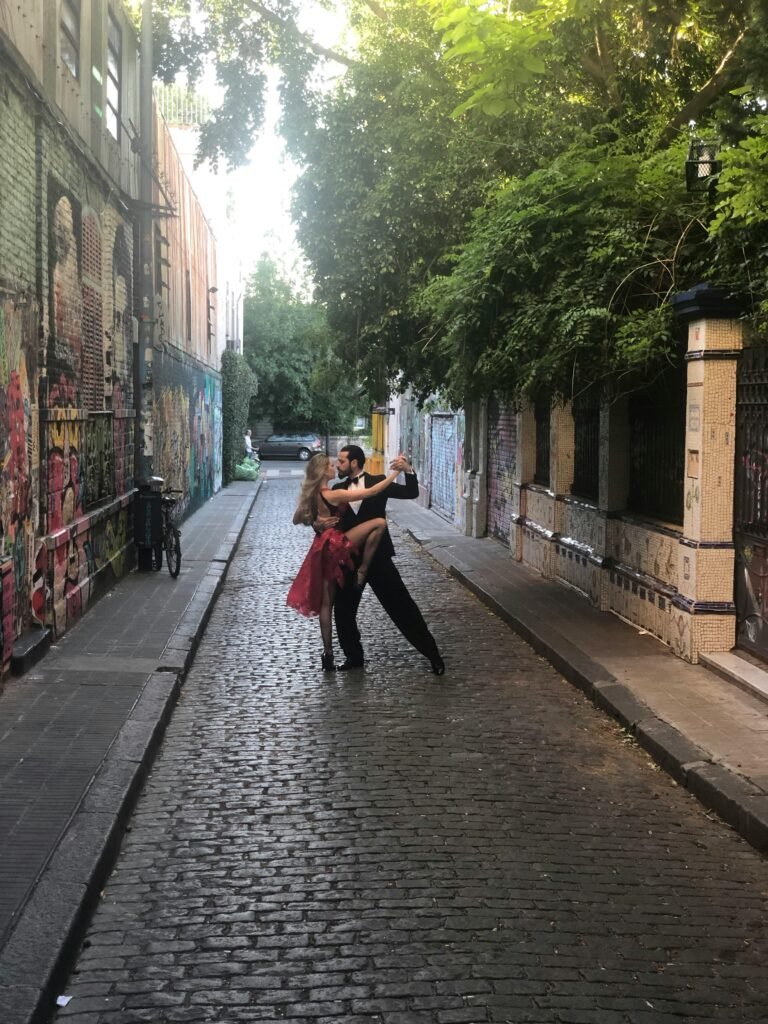
With global expansion and international success, tango suffered an inevitable side effect: its spectacularization. Today, many stages in Buenos Aires are filled with sequins, exaggerated acrobatics, and productions designed to look more like a circus or a Broadway show than an authentic cultural expression.
That is where our mission comes in. At Secreto Tango Society, our philosophy is an act of resistance. We are not close-minded conservatives trying to keep tango hidden away; on the contrary, we want to showcase it exactly as it is and how it was born: raw, visceral, and deeply emotional.
We believe this culture isn’t about watching tiny figures on a distant stage surrounded by hundreds of people. It’s about intimacy. It’s about feeling the acoustic breath of the bandoneón just a few feet away, witnessing the real tension and passion between the dancers, and listening to top-tier musicians in a genuine, carefully curated environment with very few people around you, right in the heart of the city.
We don’t offer a massive tourist show; we offer an invitation to understand, enjoy, and truly live tango from the inside out.
Ready to leave the clichés behind and experience the true essence of this culture? Discover our Secreto Tango Society experience and immerse yourself in the living history of Buenos Aires.