As we explored in our deep dive into Tango Lyrics, the poetry of this genre is where its true history lives. We talked about how these verses were born in the margins, carrying the weight of the immigrant experience, the sting of betrayal, and a profound, almost existential nostalgia. They aren’t just songs but three-minute dramas.
You don’t need to be an expert or melomaniac to recognize the music. I’m pretty sure you have likely heard famous tango songs in blockbuster movies, commercials, or classic playlists without even realizing it.
Here, we’ve curated some tracks that are the global anthems of the genre. From the Golden Age to the modern revolution, here is the definitive list of popular tango songs that you simply must know.
The Global Anthems (The Ones Everyone Knows)
If you are just dipping your toes into the genre, these are the pillars. They are the songs that defined the sound of tango for the entire world.
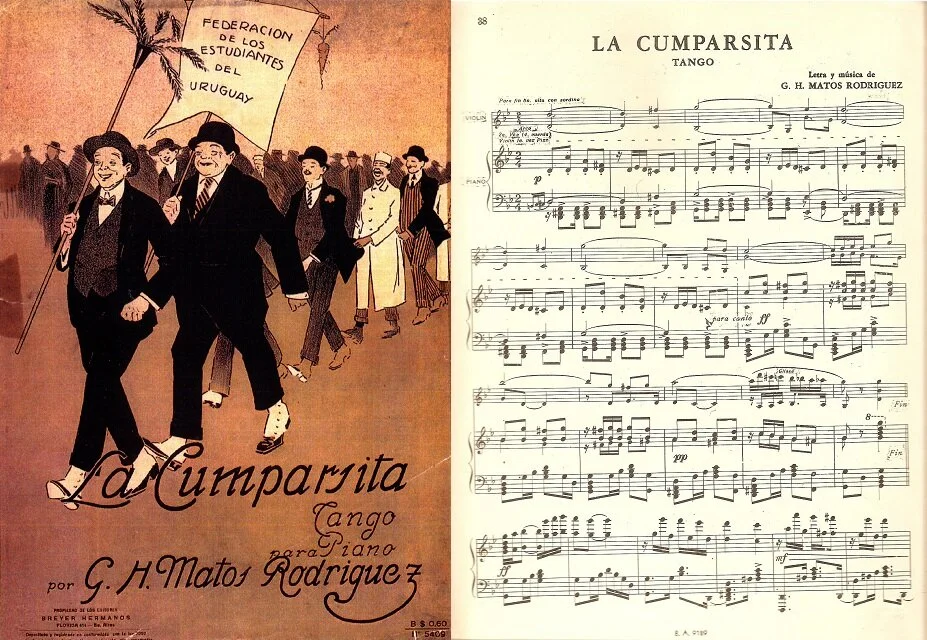
1. La Cumparsita
This is the “tango of tangos.” If you have only heard one tango in your entire life, I’m willing to bet it was this one. It is the absolute most famous tango song in history, instantly recognizable by its opening notes.
The Story: Interestingly, its music wasn’t born in Buenos Aires, but across the river in Montevideo, Uruguay, originally written as a little carnival march by Gerardo Matos Rodríguez. However, its lyric was written by Pascual Contursi y Enrique Pedro Maroni (both from Argentina) and argentine orchestras adopted it, turning it into the global hymn of the genre.
2. Por una Cabeza (Carlos Gardel)
You probably know this melody from Scent of a Woman or Schindler’s List. It is the definitive masterpiece of the King of Tango, Carlos Gardel.
The Meaning: While the melody is romantic, the Por una Cabeza meaning is actually quite cynical and tragic. The title is a horse racing term (“by a head,” referring to a horse winning by a nose). The lyrics compare the narrator’s compulsive addiction to gambling with his addiction to women. It’s a brilliant metaphor for losing everything by the narrowest of margins, reminding us just how thin the line is between victory and ruin.
3. El Choclo
One of the oldest and most rhythmic tracks in the repertoire, dating back to the early 1900s. It has a driving beat that represents the “Old Guard” style perfectly.
The Cross-Over: You might recognize this melody in the US under a completely different name: “Kiss of Fire,” a version popularized by Louis Armstrong. But make no mistake, the original instrumental (written by Angel Villoldo) and later the lyrics (by Discépolo) tells the story of how tango was born in the mud of the slums and rose to conquer the world.
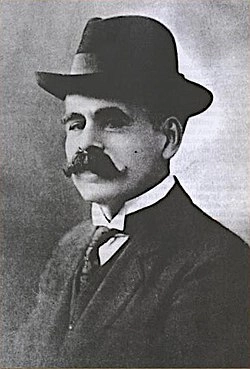
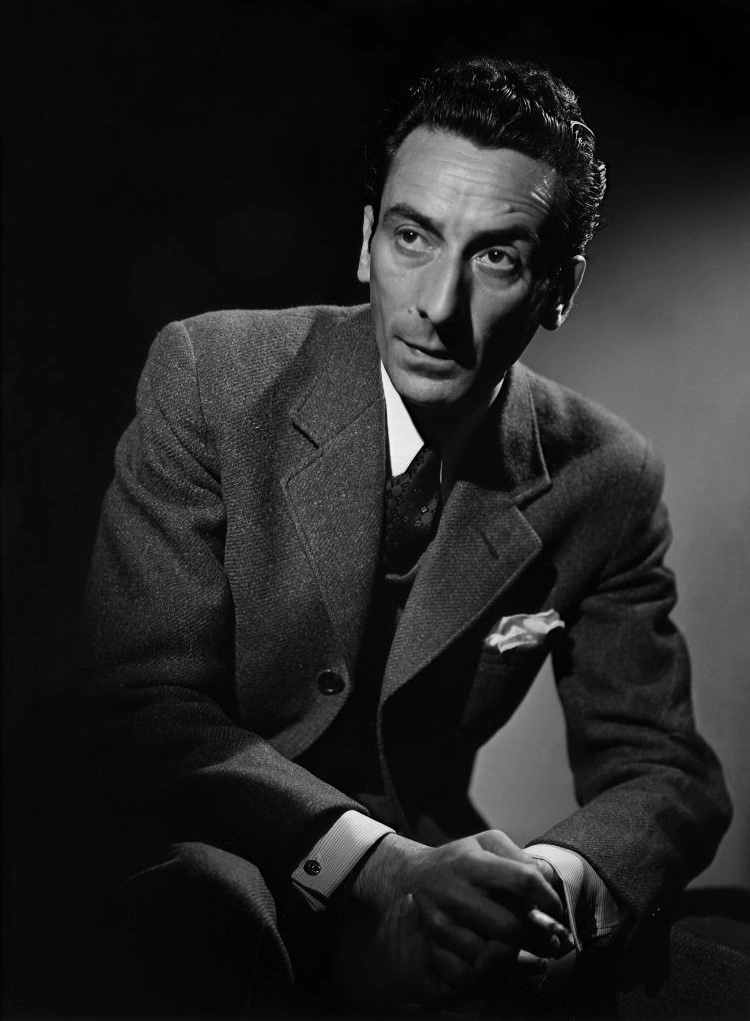
With this tango, mocking and full of swagger, The ambition of my slums grew wings.
With this tango, the Tango was born, and like a cry It left the sordid mud seeking the heavens.
A strange spell of love turned into rhythm, That forged paths with no law but hope.
A mixture of rage, pain, faith, and loss, Weeping inside the innocence of its playful beat.
– Enrique Santos Discépolo (“El choclo”)
The Revolution (Piazzolla & The Modern Sound)
If the previous songs were the roots, these next tracks are the storm that shook the tree. Astor Piazzolla didn’t just play tango; he deconstructed it, mixing it with jazz and classical music to create something entirely new.
4. Libertango (Astor Piazzolla)
This is the track that broke all the rules. Its title is a portmanteau of “Libertad” (Freedom) and “Tango,” and that is exactly what it sounds like.
The Vibe: Unlike the nostalgic, slower tangos of the past, Libertango is pure, driving energy. It’s urgent and repetitive, almost hypnotic. You might recognize it from the famous Grace Jones song “I’ve Seen That Face Before,” but the original instrumental is the true masterpiece. It represents the moment tango moved from the dance halls of Buenos Aires to the concert stages of the world.
5. Adiós Nonino (Astor Piazzolla)
I always say that if you don’t feel something when listening to this, you might need to check your pulse. This is widely considered Piazzolla’s greatest work, and certainly his most personal.
The Story: He wrote it in New York in 1959, just minutes after learning that his father, Vicente “Nonino” Piazzolla, had passed away. The piece is a desperate, beautiful journey through grief. It starts with a chaotic, crashing piano intro (the shock of the news) and settles into one of the most heartbreakingly beautiful melodies ever written for the bandoneon.
The Legacy: “Adios Nonino” is not only one of the most famous tango songs, but also a masterpiece of mourning that, to this day, gives you literal chills. It is so culturally embedded that it continues to be reimagined by new generations across all genres. Even Airbag, one of Argentina’s biggest rock bands, pays tribute to it in their massive stadium shows, proving that this melody can scream just as painfully on an electric guitar as it does on a bandoneon.
The Female Perspective (Strength & Character)
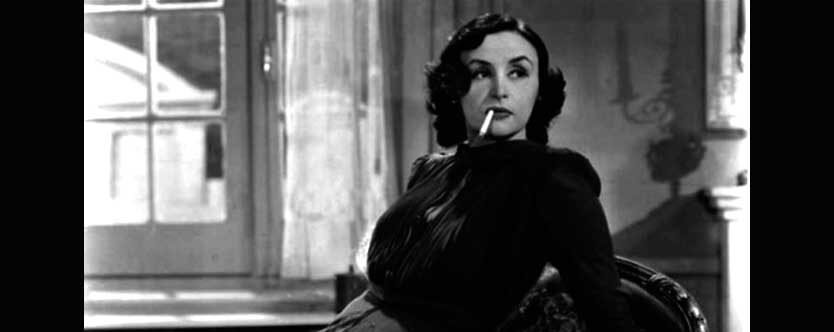
Tango is often painted as a man’s world: men used to lead the dance, men used to write the lyrics. But then came Tita Merello (and more women in tango) to smash that image. She didn’t rely on a “pretty” voice; she relied on pure, unfiltered attitude.
6. Se dice de mí (Tita Merello)
This tango song is the ultimate anthem of empowerment. Tita was an actress and singer who embraced a rea (streetwise/tough), and this is her signature.
The Vibe: Unlike the slower, tragic tangos, this is a Milonga—fast-paced, rhythmic, and aggressive.
The Meaning: The title translates to “They Say About Me.” The lyrics are a direct confrontation of the gossip and criticism leveled at her looks and her lifestyle. Instead of apologizing or crying, she owns it. She basically tells the critics: “I might not be beautiful, but I have a fire you’ll never understand.” It is fierce, ironic, and simply iconic.
The Romantic & Nostalgic
These are the tracks that every Argentine knows by memory, usually associated with Carlos Gardel, the man who gave tango its voice (also the man all of our granmothers were in love with).
7. El Día Que Me Quieras (Carlos Gardel and Alfredo Le Pera)
If you are a hopeless romantic, this is your anthem.
The Poetry: “The Day You Love Me” is pure, unadulterated poetry. Unlike the tragic tales of betrayal common in tango, this is a dream of perfect love. The lyrics promise that on the day he is loved back, the stars will shine brighter and the roses will dress up for the occasion. It is widely considered one of the most beautiful love songs ever written in the Spanish language. Actually Luis Miguel, one of the most powerful voices of the world, has its own version of this tango song (though he made it as a bolero).
8. Mi Buenos Aires Querido (Carlos Gardel and Alfredo Le Pera)
This is the definitive song of nostalgia. It captures the specific feeling of the immigrant or the traveler who is far away and longing for home.
The Meaning: “My Beloved Buenos Aires.” Gardel sings to the city as if it were a lover, promising that when he returns to its streets, his sorrow will disappear. For visitors, it’s the perfect soundtrack for walking the city streets at twilight.
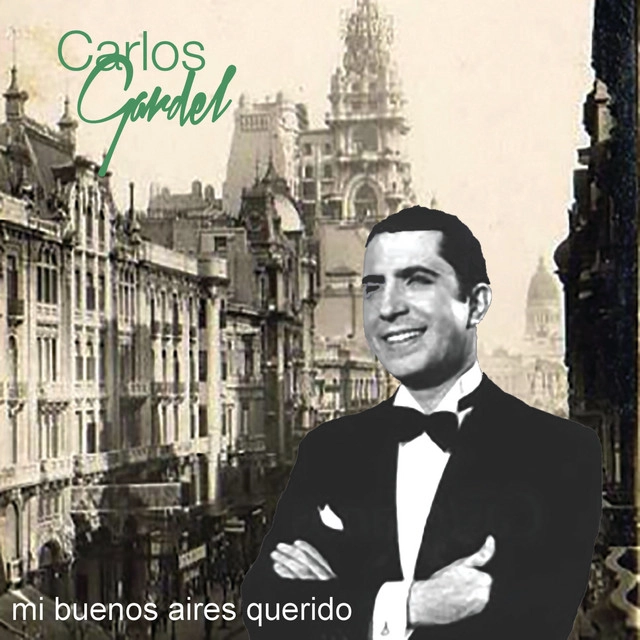
Today, as fate brings me back to see you, My beloved city, my one true love, I hear the complaint of a bandoneon, And inside, my chest begs to let my heart run free.
– Carlos Gardel and Alfredo Le Pera (“Mi Buenos Aires querido”)
9. Caminito
You will likely see the name “Caminito” on every tourist map—it’s the famous colorful street museum in the La Boca neighborhood.
The Connection: This tango song is a sad, nostalgic farewell to a path (“little path”) where the singer used to walk with his love. Today, hearing it while wandering through La Boca adds a layer of history to the bright colors of the conventillos.

10. Cambalache
We end with the philosopher. Written in the 1930s by Enrique Santos Discépolo, this is one of the most famous tango songs because it is a cynical, biting critique of the world that feels shockingly modern.
The Vibe: The title refers to a “pawn shop” or a chaotic bazaar where everything is mixed up. The lyrics complain that the world is a mess, where “a scholar and a thief” or “a heater and a bible” are treated with the same value. It’s the ultimate expression of Argentine skepticism and dark humor.
From a Playlist to Reality: Experience a Tango Show
Hearing these popular tango songs on Spotify or YouTube is one thing. But feeling the physical vibration of a bandoneon playing just a few feet away from you? That changes everything.
We just walked you through the most authentic aspects a tango song could cover or express: nostalgia, drama, love, grief…
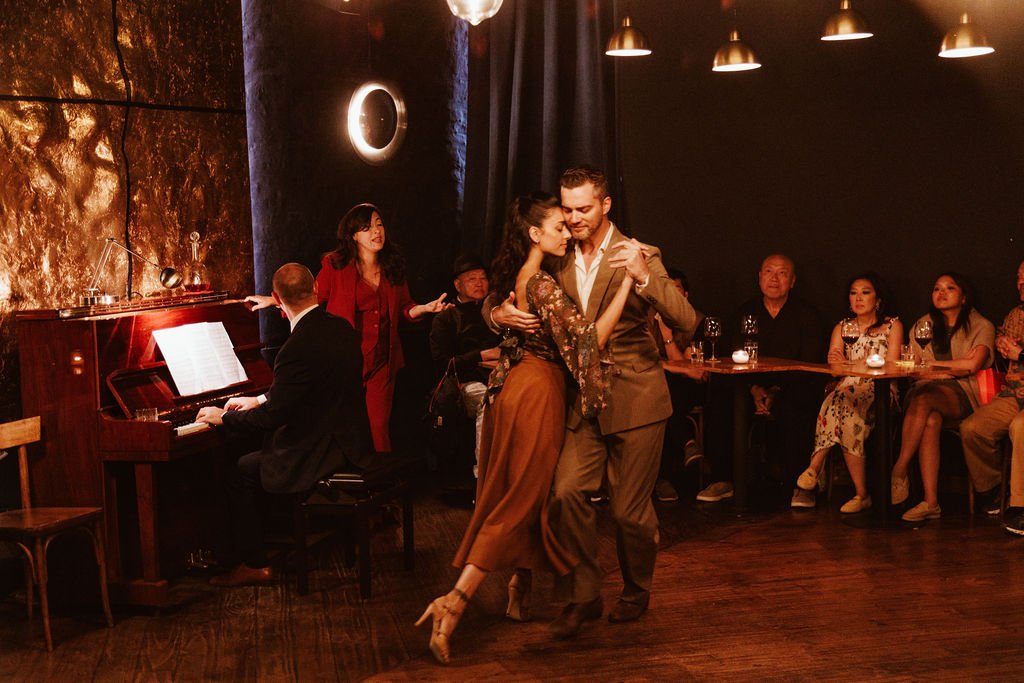
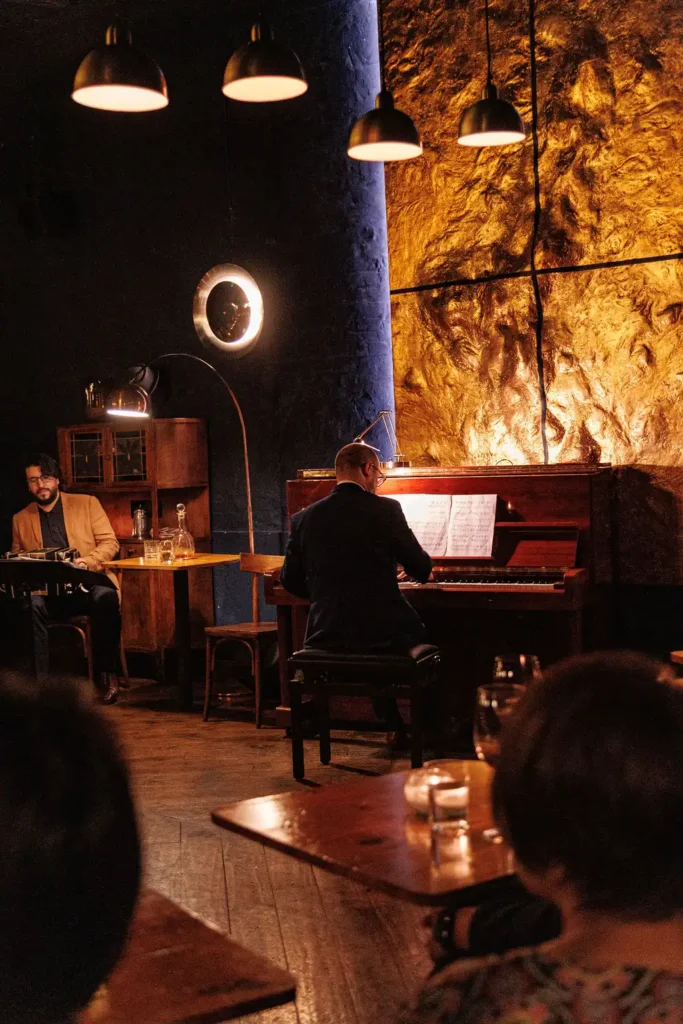
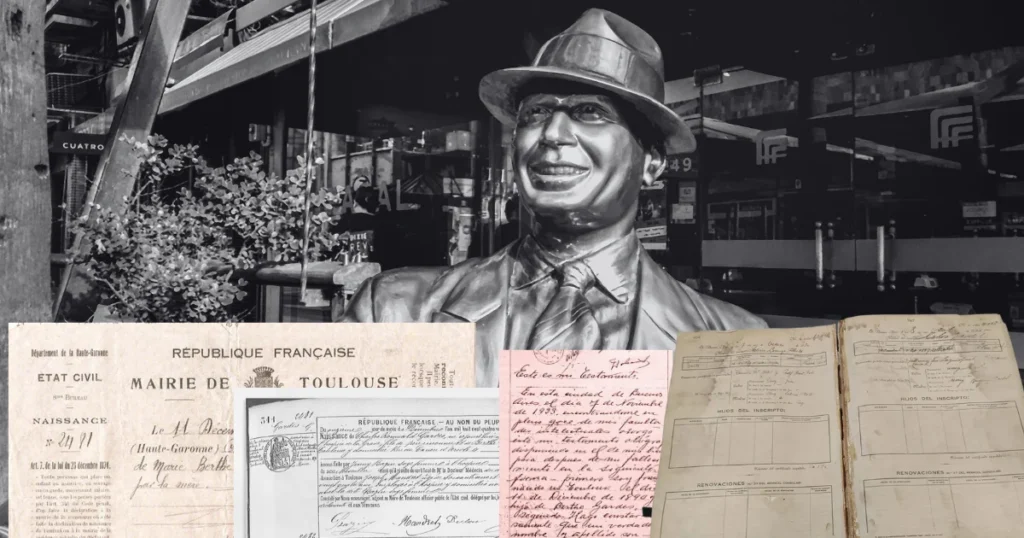
Well, at Secreto Tango Society, we believe in going back to the roots. We strip away the extravagant stage lights, the distance, and the commercial glitter that most of the tango shows in Buenos Aires insist in offering, to present the music in its most raw and original form. We channel the history of the genre. You can see the sweat, hear the breath, and feel the silence between the notes.
So, if you’re visiting Buenos Aires, join us and draw your own conclusions on tango. Come hear the true soundtrack of the city the way it was meant to be heard: acoustic, intimate, and visceral.