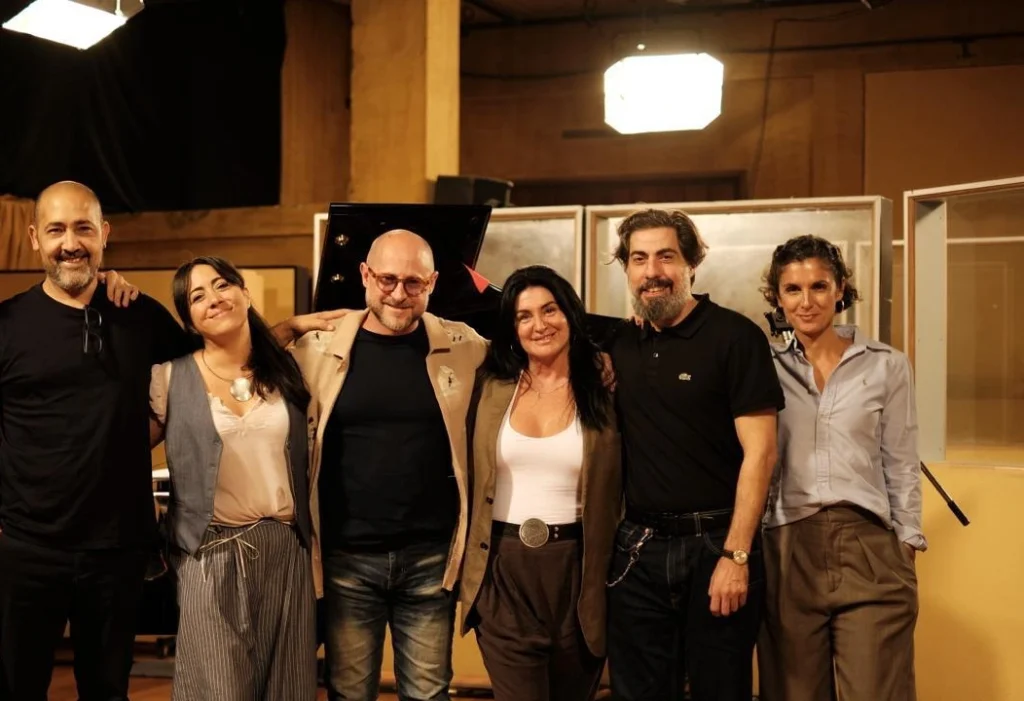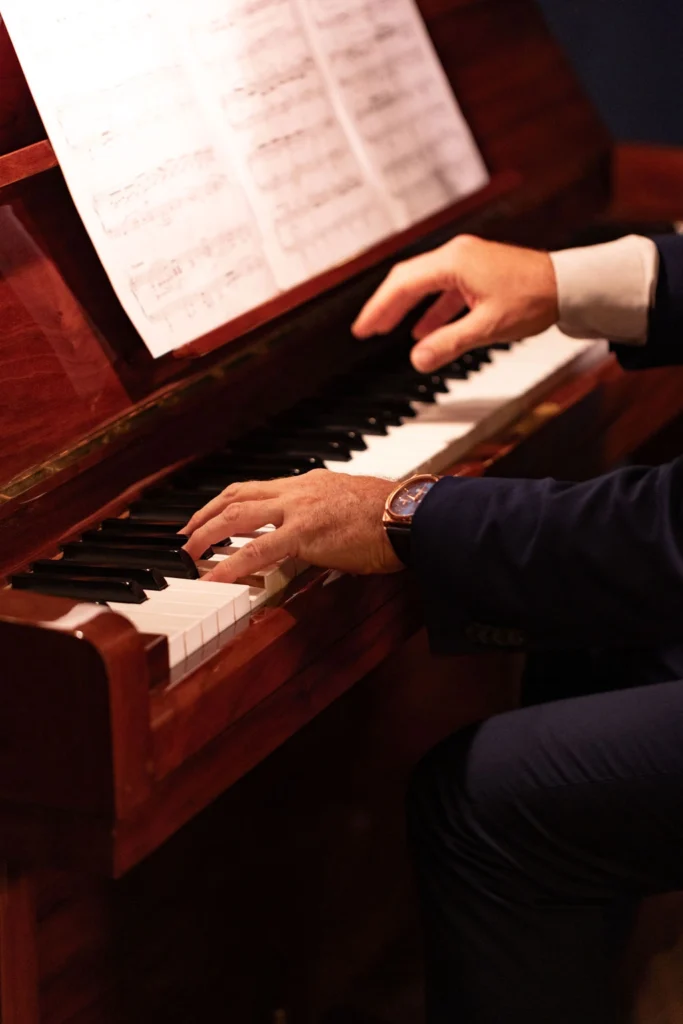
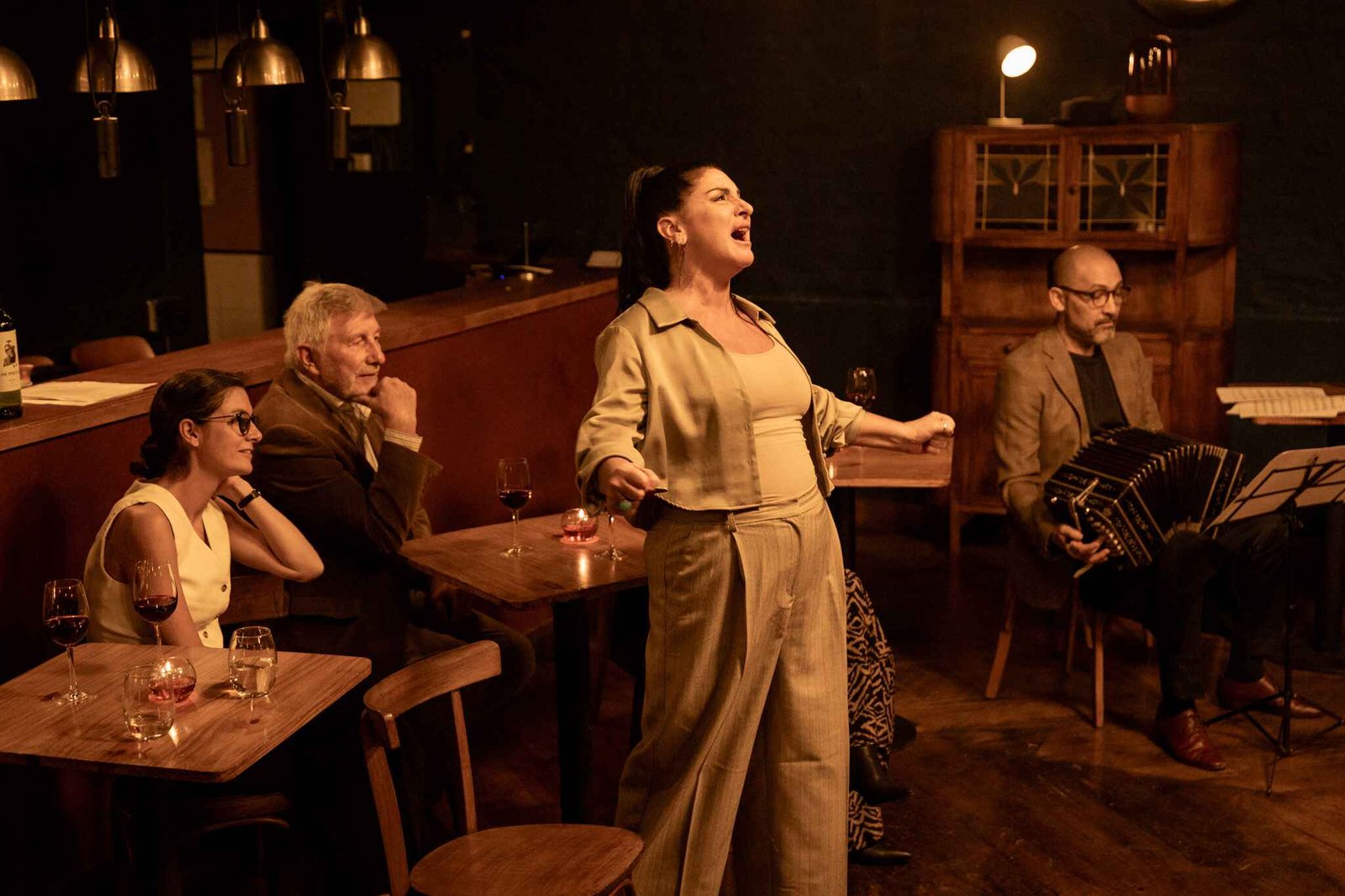
The lights inside the Secreto Tango hall dim to a soft, intimate glow. A profound silence settles over the room, instantly broken by a masterful, deep voice: “Por la blanda arena…”
Alicia, the lead singer, delivers those opening words of Alfonsina y el mar with staggering emotional weight. This is a tango show, but the musicians proudly include this piece because it stands as a fiercely Argentine classic. The arrangement is entirely their own. I have never heard it played quite like this before. The melody grows organically alongside the instruments, swelling in the dark and immediately giving me goosebumps. Sitting there, I always find myself thinking about how a piece of art so incredibly beautiful can stem from a reality so undeniably horrible.
The room is filled with visitors who probably cannot translate a single word of the lyrics. Yet, looking at their faces, I am entirely sure they feel the heavy, haunting emotion anchoring the space. I am also certain Alicia still gets deeply moved on that stage, even after singing these exact notes hundreds of times. That is simply the raw power of the song.
I turn to look at my friend sitting next to me. I can see she is absorbing the intense energy of the performance, but her eyes reveal she does not actually know the melody. It feels strange to me, considering it is an absolute classic. Perhaps it only feels that way because my grandmother and my mother played Mercedes Sosa constantly while I was growing up, making those chords easy to recognize.
I lean closer over our small table and whisper, asking if she knows the true story behind the music. She shakes her head softly. Right there, under the faint light of the stage, I begin to tell her.
Alfonsina Storni: A Defiant Pen Against the Tide
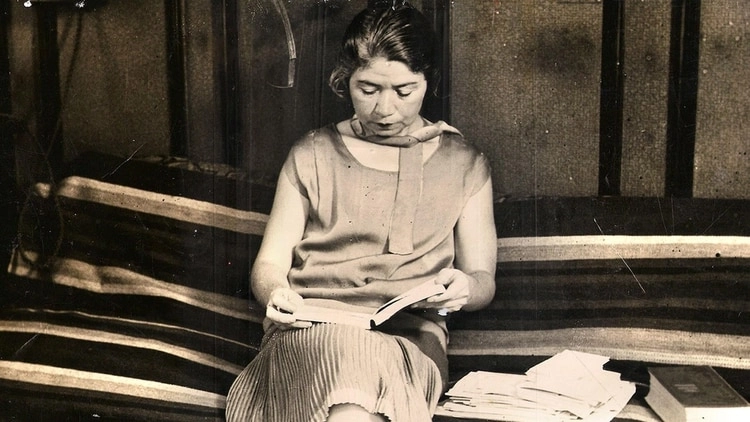
I tell her that long before this melody existed, Alfonsina Storni was already a force of nature. Born in Switzerland but shaped entirely by our streets, she arrived in a 1920s Buenos Aires that was busy writing its own identity. The local literary cafes were thick with tobacco smoke and dominated entirely by men. Tango legends and male writers sat at those small wooden tables dictating the rules of the city. Yet, Alfonsina walked right into those exact rooms, pulled up a chair, and carved out her own space.
As a single mother, she carried a heavy social stigma, but she fought back with a brutally sharp intellect. Reading Alfonsina Storni poems is exactly like touching a live wire. She demanded equality and fiercely criticized the hypocrisy of her era. In her famous piece Tu me quieres blanca, she exposed the suffocating standards placed upon women, who were expected to remain perfectly pure while men lived freely. She was a true vanguardist, breathing the exact same bohemian air as the tango pioneers we celebrate, while fighting a much harder, lonelier battle.
You want me white as dawn, You want me made of seafoam, You want me of mother-of-pearl. To be a lily Above all others, chaste. Of delicate perfume. A closed corolla.
Tú me quieres blanca.
Alfonsina Storni
Behind that brilliant mind, she fought a devastating, silent war. I explain to my friend that Alfonsina struggled deeply with severe physical illness and crippling mental health issues. The pain and the depression eventually became unbearable. In 1938, she traveled to Mar del Plata and committed suicide in the freezing ocean. It is a deeply sad reality of a woman completely overwhelmed by darkness. The song playing right now in the background does not romanticize her death as an answer or a victory. Instead, it rescues her memory. It takes a cold, heartbreaking tragedy and covers her final steps in pure poetry.
A Poetic Metaphor for Her Final Rest
I lean closer to my friend and share the thought that has been echoing in my head since the music started: how can something so deeply heartbreaking become so magnificent? Alfonsina knew exactly how to do this. She spent her entire life transmuting her own suffering into brilliant verses. I suppose that is the truest definition of art.
When she could no longer bear the weight of her illness, she mailed one final poem to a national newspaper. She titled it Me voy a dormir. In those verses, she speaks with a terrifying calmness. She asks a cosmic nursemaid to prepare a bed of moss and lower a lamp of stars because she is completely exhausted and simply wants to rest. Years later, Argentine composers Ariel Ramírez and Félix Luna took the horrific, freezing reality of her suicide in Mar del Plata and applied that exact same artistic alchemy to her memory.
You slip away, Alfonsina
Wrapped in your deep solitude
What uncharted poems
Did you go searching for?
An ancient call
Made of wind and salt
Breaks your soul wide open
And gently pulls it under
And you drift into the deep
Lost inside a dream
Sleeping, Alfonsina
Clothed by the sea
They built a massive, poetic metaphor to soften the blow of her final steps. The freezing, dark waters of the Atlantic Ocean dissolve into a warm, underwater room built with seaweeds, seashells, and marine phosphorescence. Listening to Alicia’s voice fill the Secreto Tango hall, you can almost physically feel the water rocking the poet. The lyrics ask the sea creatures and the new sirens to leave her alone, to let her finally rest in peace. The composers did not write a cold chronicle of a desperate death. They crafted a majestic, eternal tribute, turning a solitary tragedy into a hauntingly beautiful anthem that still brings tears to our eyes today.
Alfonsina on Mercedes Sosa’s Voice
As Alicia reaches the final notes on stage, my mind drifts to the definitive voice that anchored this melody into our DNA. I have written before about the essential roots of Argentine music and how Mercedes Sosa became an undeniable national icon. Listening tonight, I realize her true power comes from a much deeper place. It is the raw impact of one fierce woman singing the story of another.
Mercedes possessed a profoundly native voice. It was heavy, deeply rooted in the earth, and completely different from the rest. She was an artist genuinely capable of understanding Alfonsina, empathizing with her pain, and challenging us to confront that same sorrow. She honored the poet beautifully. Yet, by delivering those lyrics with her unique gravity, she made the song entirely hers, and in the process, she made it ours. She was unapologetically different, exactly like the woman she was singing about.
Sitting in the dim light of Secreto Tango, I watch my friend’s eyes change. The thick silence hanging in the air finally makes perfect sense to her, and she completely understands the tears welling up in the eyes of the strangers at the tables around us.