They often call Buenos Aires the “Paris of South America.” And sure, if you look up at the intricate cornices of our architecture or walk down certain boulevards in Recoleta, you can see the European reflection. But that nickname, while flattering, is incomplete.
While our buildings may whisper of Europe, our culture speaks with a voice that is uniquely ours. Our art and history, and therefore, cultural spots and museums in Buenos Aires are shaped by a intense collision of influences—indigenous roots, colonial pasts, and massive waves of immigrants who brought their hopes and sorrows to this port. We have our own narrative, one that is chaotic, passionate, and deeply layered.
To truly understand this complex identity, you need to look into the mirrors of our past. Here is a guide to the best museums in Buenos Aires and the cultural landmarks where you can see our story unfold—plus one final spot where you can actually hear it breathe.
History and Culture: Essential Museums in Buenos Aires
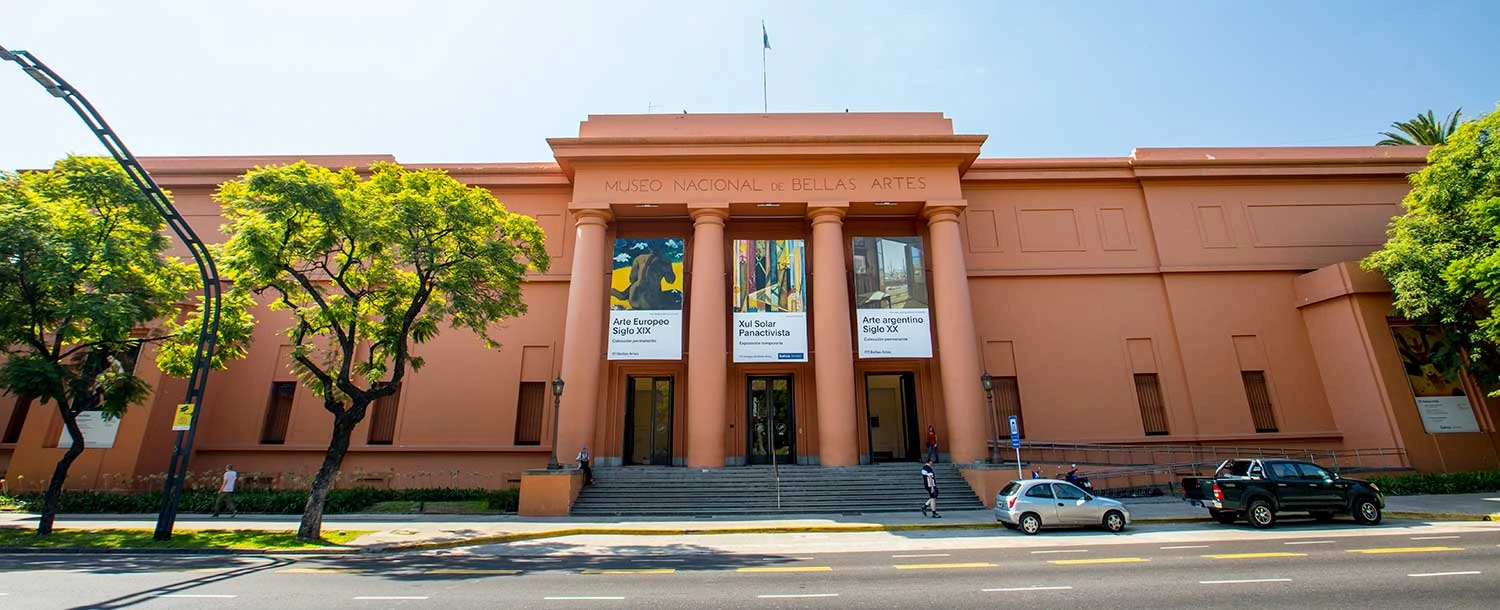
1. Museo Nacional de Bellas Artes (MNBA)
If you want to see the evolution of the Argentine identity, start here. The MNBA houses the largest public art collection in the country. Walking through its halls is like walking through a timeline. You will see the early European influence, gradually give way to the powerful strokes of Argentine masters. It’s a stunning realization of how we moved from imitating the old world to creating our own distinct visual language.
- Tip: It’s one of the most valuable cultural things to do in Buenos Aires, and general admission is free.
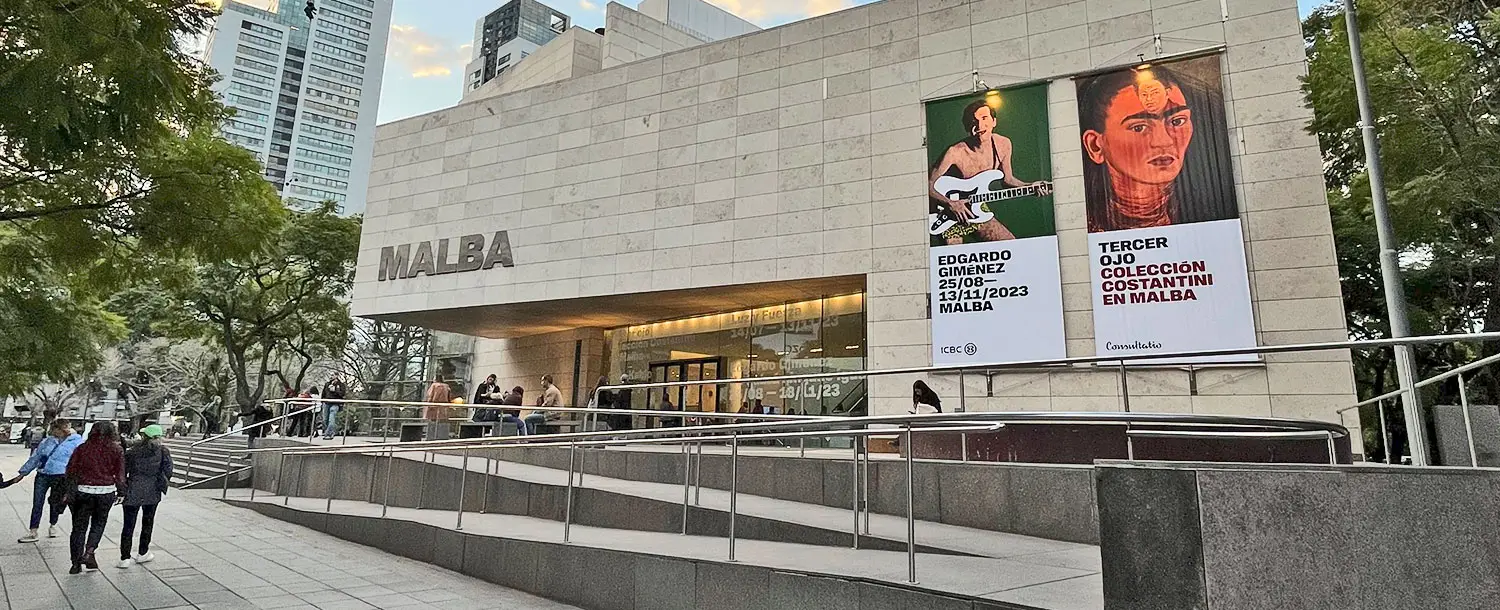
2. MALBA (Latin American Art)
This modern, light-filled building is dedicated exclusively to Latin American art. Here, the narrative shifts from “European influence” to “Regional Identity.” Seeing works by Frida Kahlo, Diego Rivera, and Antonio Berni puts Argentina in conversation with its neighbors. It’s a vibrant, colorful, and often political reminder of the complex continent we belong to.
History in the Open Air: Landmarks That Speak
Not all museums have roofs. Some of our most profound stories are written on the pavement and in the soil itself.
3. Plaza de Mayo
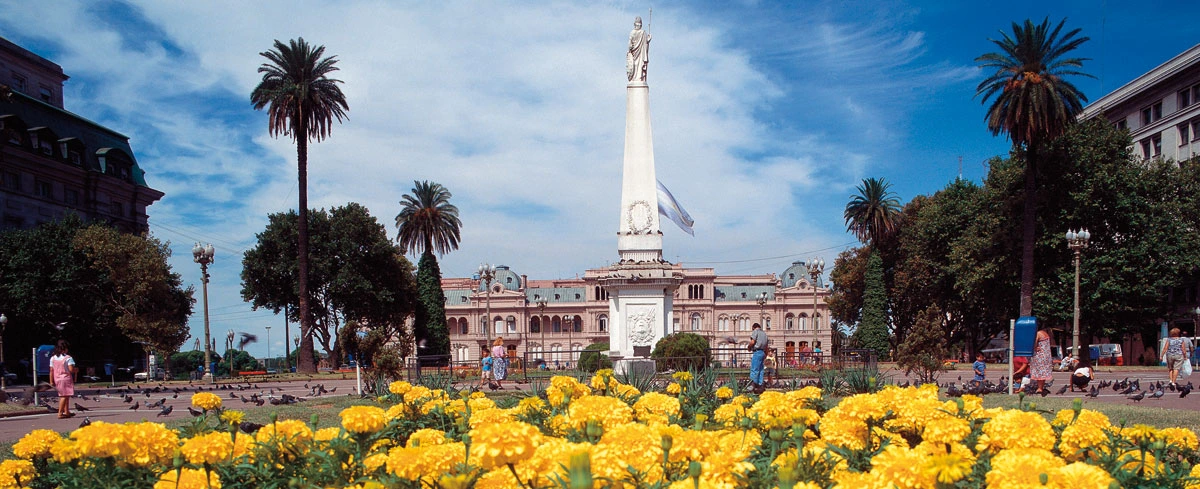
This isn’t a museum, yet it holds more history than any building. Plaza de Mayo is the absolute stage for Argentina’s narrative. Since the events of 1810 that paved the way for our independence, this square has been the epicenter where the people gather to celebrate, to protest, and to mourn.
It is here that the Mothers and Grandmothers of Plaza de Mayo have marched for decades, demanding truth and justice for their disappeared children. As you walk toward the Casa Rosada (Government House), look at the ground beneath your feet; the white headscarves painted around the central pyramid are a powerful, permanent reminder of their fight.
4. El Zanjón de Granados (The Roots)
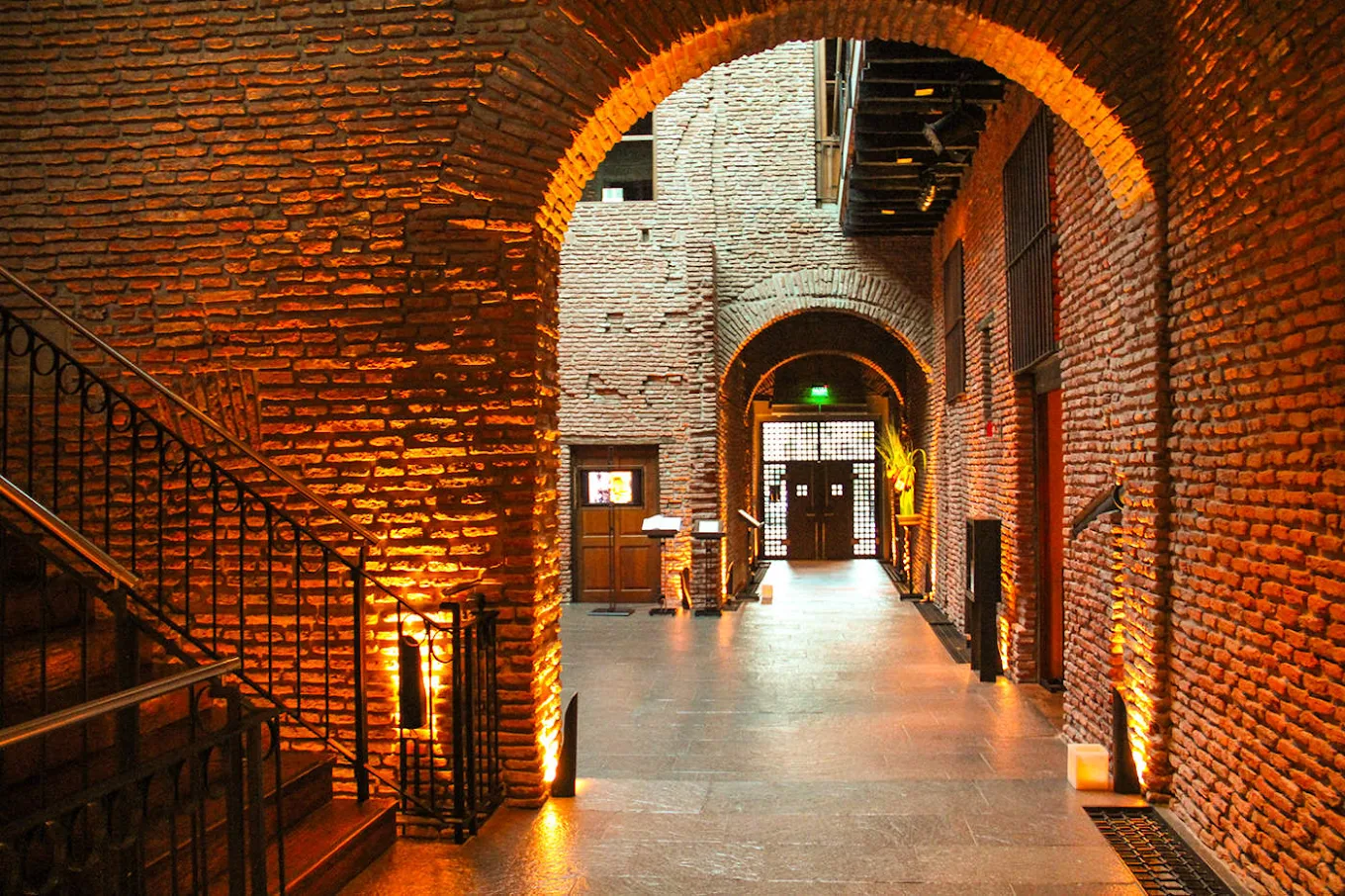
To understand the “Paris of South America” myth, you have to look underneath it. El Zanjón in San Telmo takes you literally underground. It’s a restored labyrinth of tunnels and cisterns that reveals the earliest settlements of the city. It’s a journey into the origins of the city before the grand boulevards were built—a reminder of the complex, layered history that lies beneath our feet.
The Living Museum of Tango: Where Culture Breathes
The places listed above preserve our memory. They show us who we were. But if you want to understand who we are, you need to experience the culture that is still alive, evolving, and vibrating.
This is where Secreto Tango Society comes in.
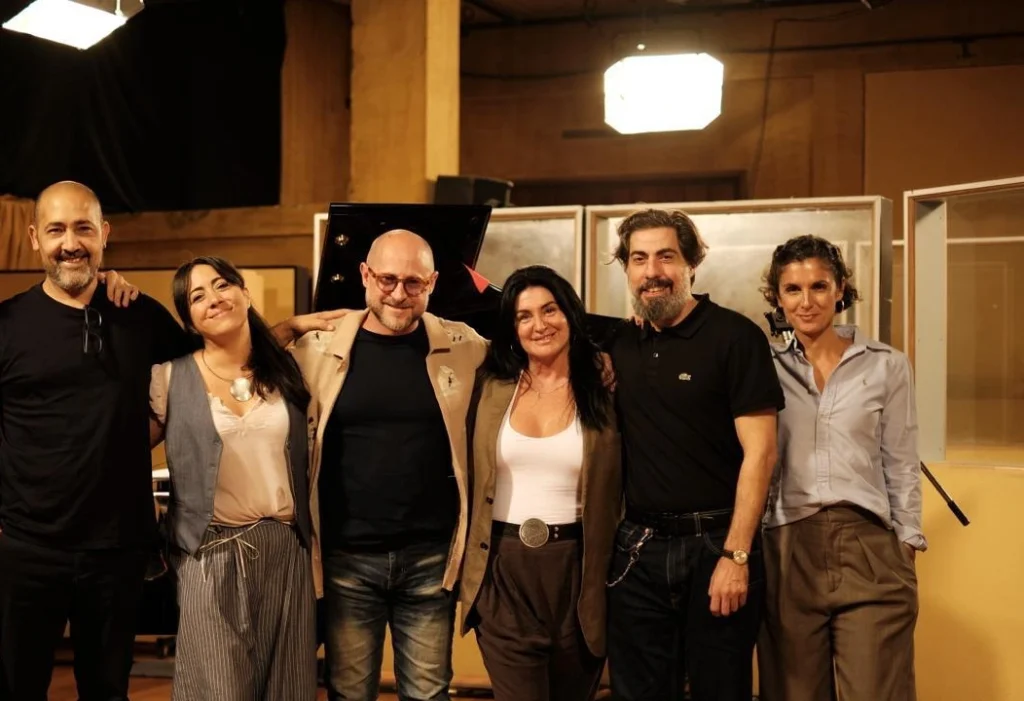
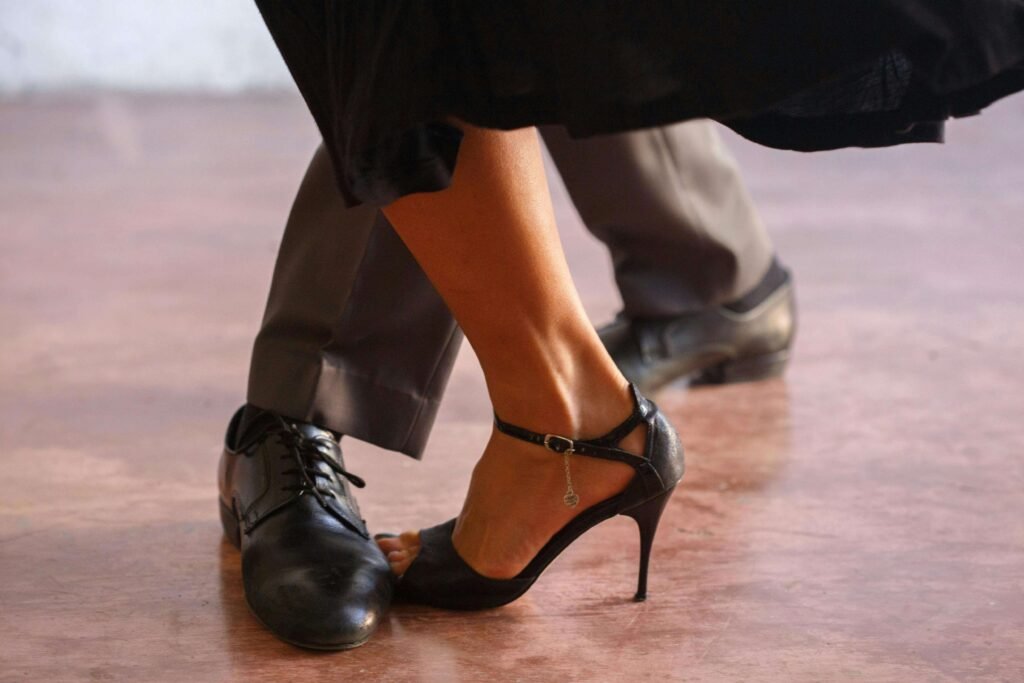
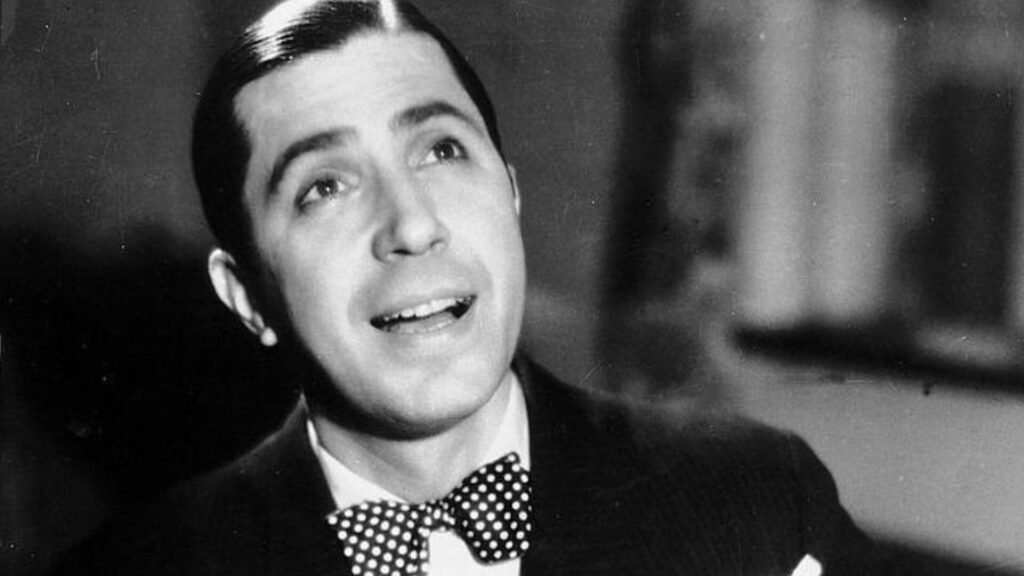
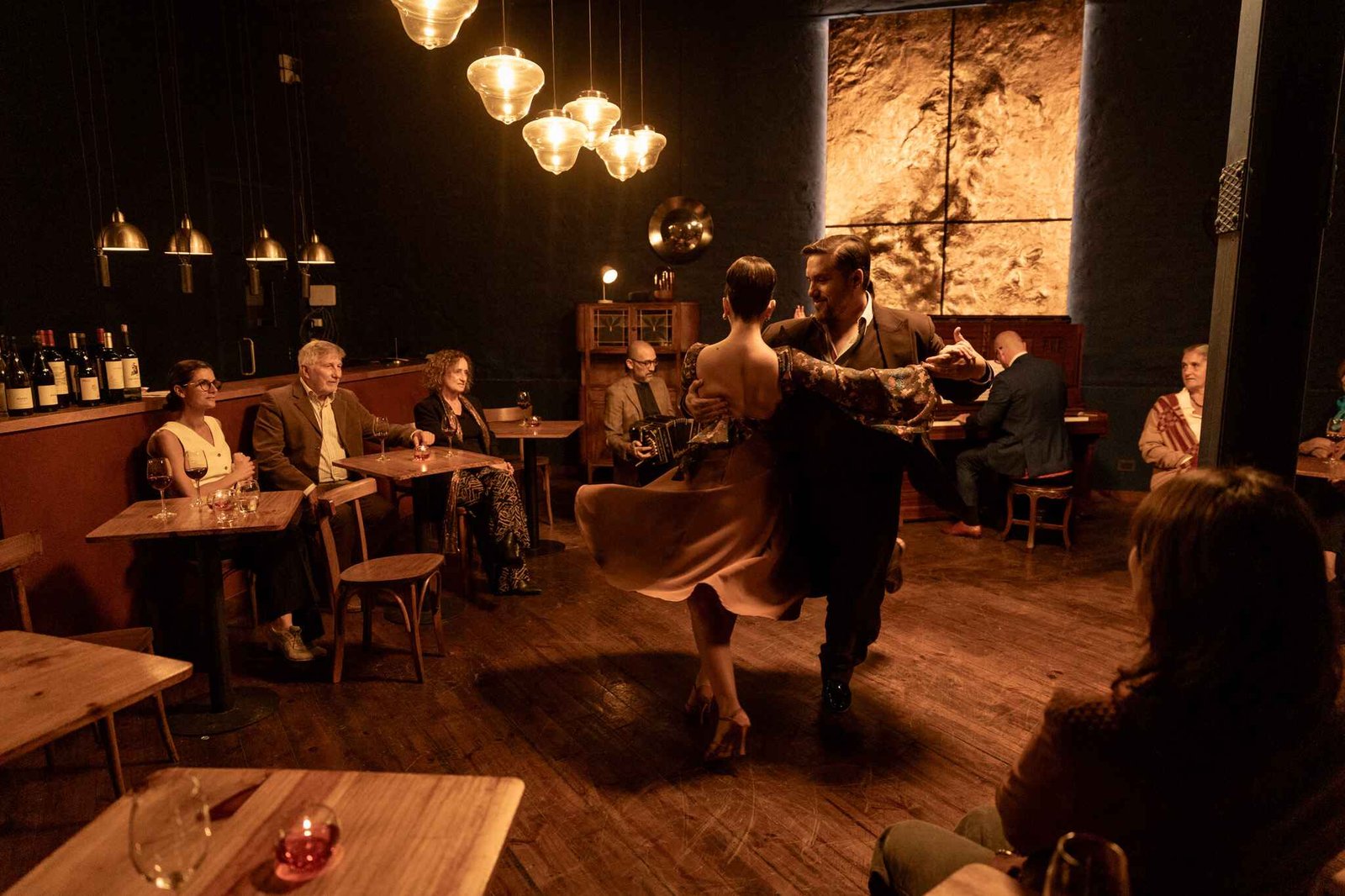
We don’t consider ourselves just a “show” in the commercial sense. Think of us as a living museum of emotion. The tango is the perfect example of that complex “mix of influences” we mentioned earlier: the immigrant instruments, the local rhythm, the shared solitude.
At Secreto, we don’t put the tango behind glass. We invite you into an intimate space where the music is physical. When you hear the bandoneon played live by a master, or feel the silence before a singer’s first note, you are witnessing art imitating life in real-time. It’s the raw, unpolished, beautiful narrative of Buenos Aires, happening right in front of you.
Don’t just take our word for it.
With a review score of 5/5 stars, travelers from all over the world—those who arrived looking for something deeper than a postcard—often describe this night as the emotional highlight of their trip. It is the moment where the history you saw in the museums finally makes sense, because you are no longer just studying it but feeling it.
Completing Your Journey Through Museums in Buenos Aires
Exploring the museums in Buenos Aires is the perfect starting point to understand our identity, but don’t let your cultural journey end at the exit door. The narrative that begins in the galleries of the Bellas Artes or the tunnels of San Telmo continues in the streets, the cafes, and the nights of this city.
If you are wondering how to continue exploring the authentic side of the city beyond these walls, we have curated a complete local guide on What to Do in Buenos Aires right here.
And when you are ready to stop observing the culture and start feeling it—to hear the soundtrack of the history you’ve just seen—we invite you to join us.